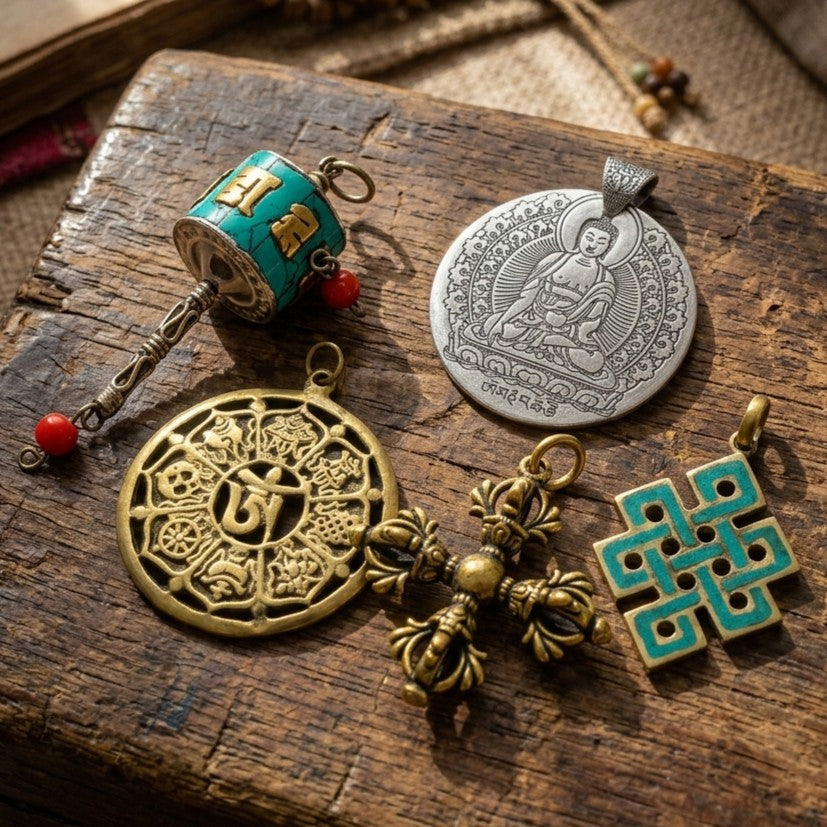


Tibetan Wall & Table Prayer Wheel – Handmade Spiritual Harmony
Sale priceCHF 74.50

Wall Hanging 8 Auspicious Symbols Nyatri
Sale priceCHF 99.50

Wall Hanging 8 Auspicious Symbols Khawo
Sale priceCHF 99.50

Tibetan Incense Holder With Lid
Sale priceCHF 74.50

Khata, Tibetan Prayer and Greeting Scarf, White, 240 x 50 cm
Sale priceCHF 15.50
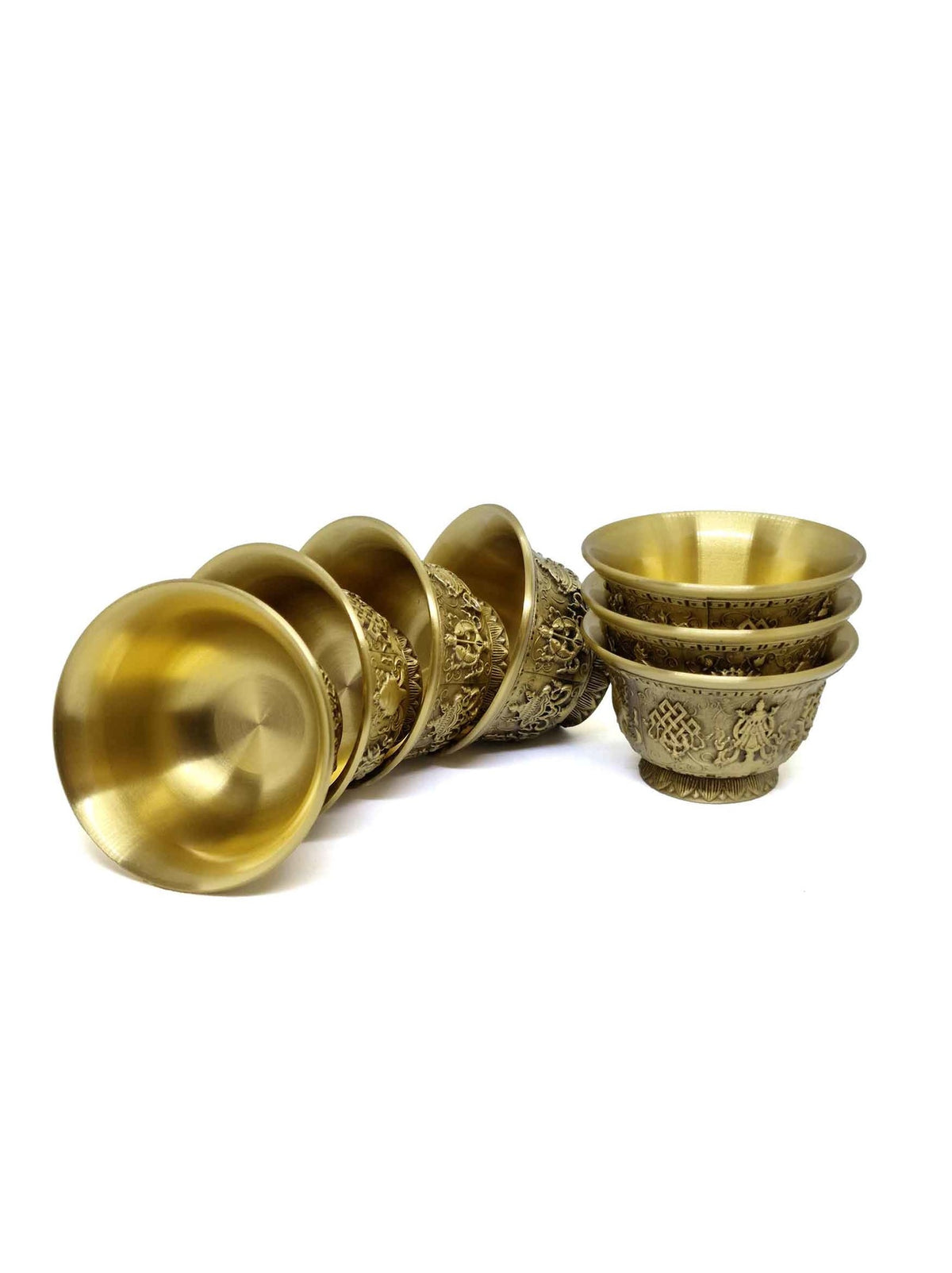
Tibetan Water Offering Bowl (set of 7), 8 Auspicious Symbols
Sale priceFrom CHF 145.00

Wall Hanging Tibetan Symbols of Luck
Sale priceCHF 34.50

Tibetan Brass Pendant with 8 Auspicious Symbols
Sale priceCHF 8.50

Wall Hanging Tibetan Auspicious Symbols, Yellow
Sale priceCHF 44.50

Tibetan Thangka "8 Auspicious Signs", mini
Sale priceCHF 22.50

Tibetan Wooden Incense Burner With Eight Auspicious Signs
Sale priceCHF 44.50

Incense Holder Set With 8 Auspicious Signs
Sale priceCHF 16.50

Keychain with Cut-Out Designs of "Om" and "8 Tibetan Auspicious Signs"
Sale priceCHF 9.50

Tibetan Vertical Prayer Flag Green Tara
Sale priceCHF 14.50

Tibetan Vertical Prayer Flag
Sale priceCHF 14.50

Tibetan Door Curtain 8 Auspicious Signs, blue
Sale priceCHF 49.50

Tibetan Door Curtain 8 Auspicious Signs, white
Sale priceCHF 49.50

Tibetan Greeting Card "8 Auspicious Signs"
Sale priceFrom CHF 5.50

Khata Tibetan greeting and prayer shawl with lucky symbols, red, 140 x 29 cm
Sale priceCHF 11.50

Khata Tibetan greeting and prayer scarf with lucky symbols, orange, 140 x 29 cm
Sale priceCHF 11.50


What are the Tibetan symbols of good fortune and what do they mean?
Related categories