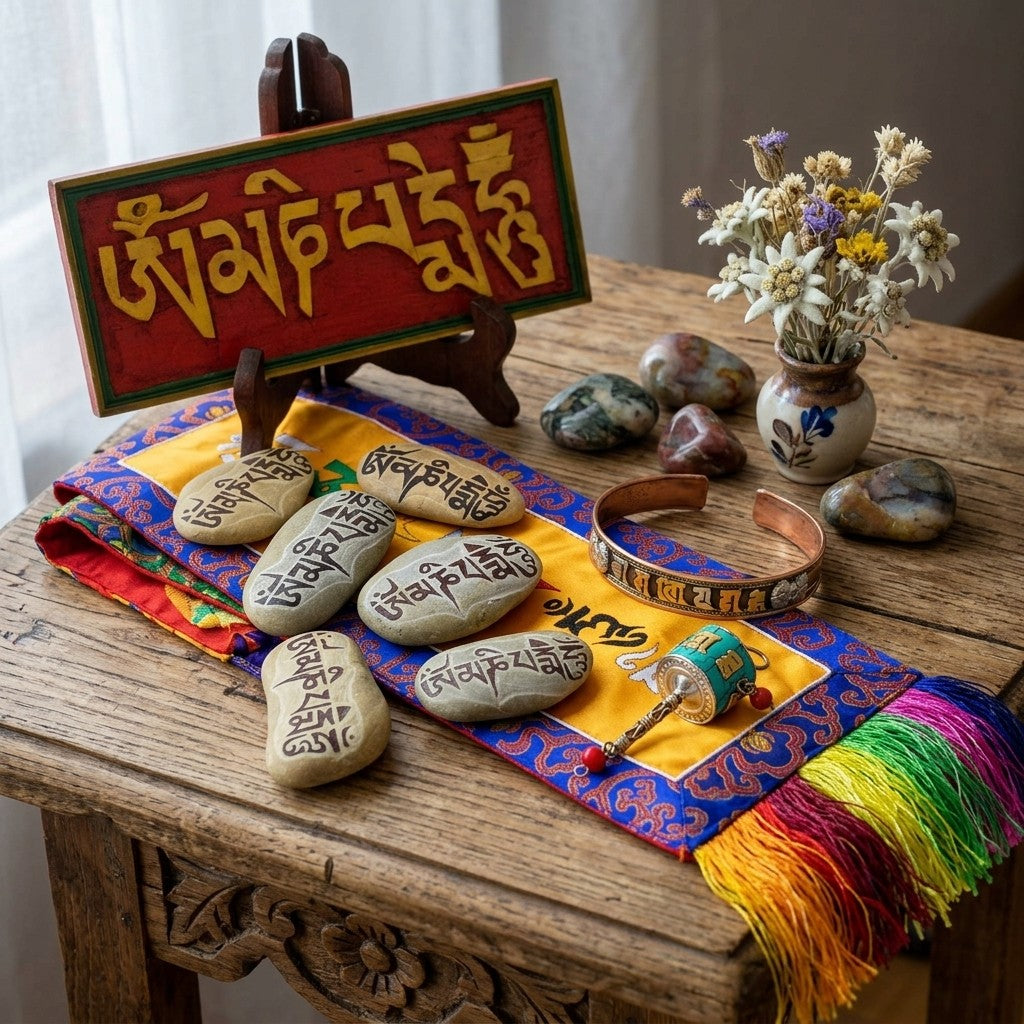


Tibetan Lucky Bracelet with 7 Knots hand-braided
Sale priceCHF 6.50

Tibetan Bangle Mantra "Om Mani Padme Hum"
Sale priceCHF 14.50

Tibetan Lucky String Bracelet handcrafted adjustable
Sale priceCHF 5.50

Tibetan Bangle Dorje and Stone, Adjustable
Sale priceCHF 14.50

Tibetan Copper Bangle with Dorje and Mantra
Sale priceCHF 24.50

Copper Bracelet Rope Style Handcrafted, Adjustable, 18 cm
Sale priceCHF 22.50

Tibetan Lucky Bracelet Red hand-braided adjustable
Sale priceCHF 6.50

Wooden Bracelet Brown
Sale priceCHF 7.50

Leather Bracelet Flower of Life darkbrown
Sale priceCHF 11.50

Wooden Bracelet with 7 Chakras and Tree, Stretchable
Sale priceCHF 14.50

Braided Tibetan Copper Bangle
Sale priceCHF 16.50

Copper Bangle, Adjustable Size With Open Back
Sale priceCHF 12.50

Tibetan Brass Bracelet With Engraved Flower Of Life
Sale priceCHF 16.50

Handcrafted Honey Calcite Bead Bracelet with Buddha Charm
Sale priceCHF 24.50

Wooden Bracelet with 7 chakras and Buddha, Brown
Sale priceCHF 12.50

Bracelet Dzi 9-Eye, Stretchable
Sale priceCHF 19.50

Rudraksha Bracelet with 7 Chakra Stones Elastic, 8mm
Sale priceFrom CHF 13.50
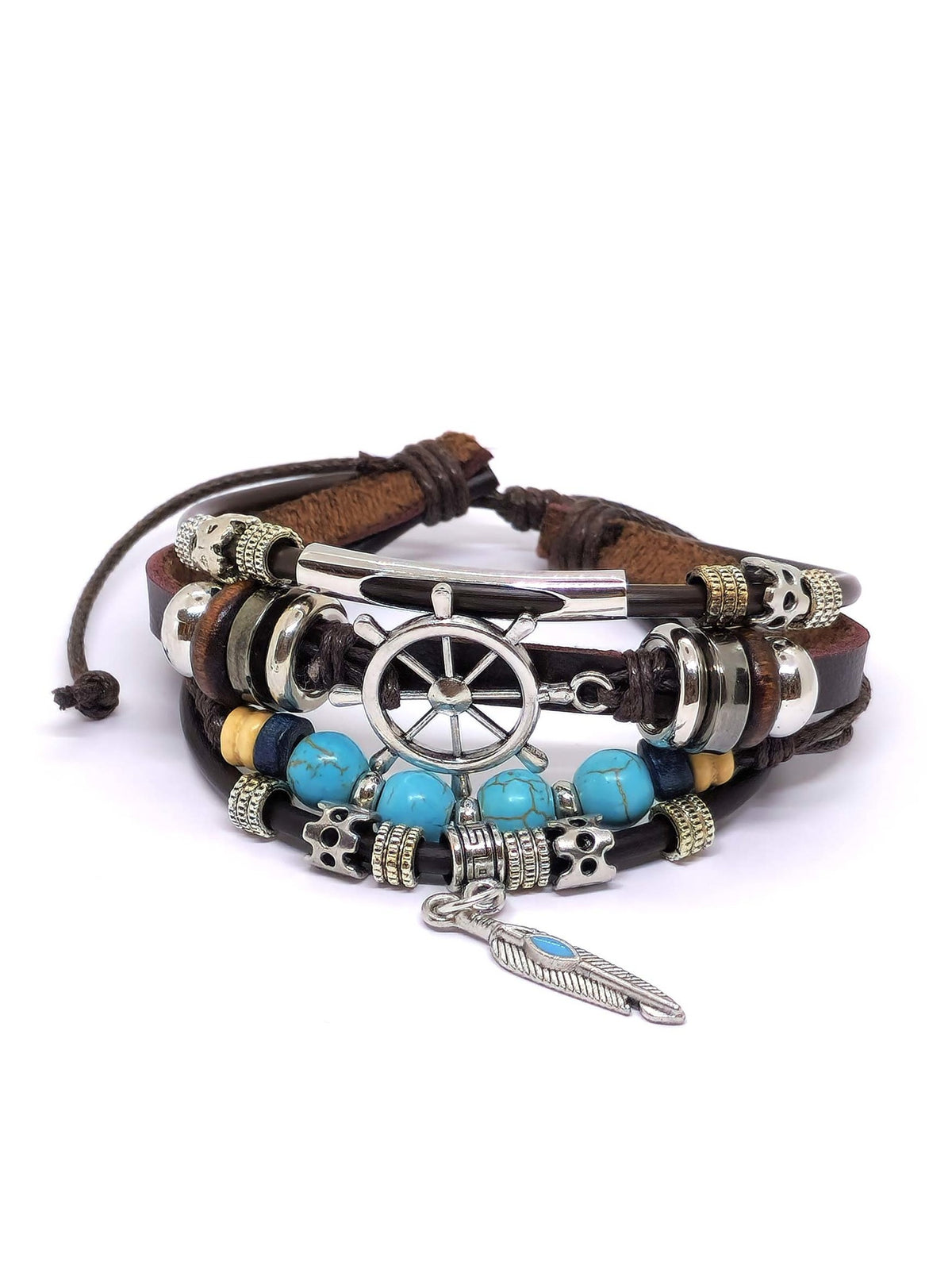
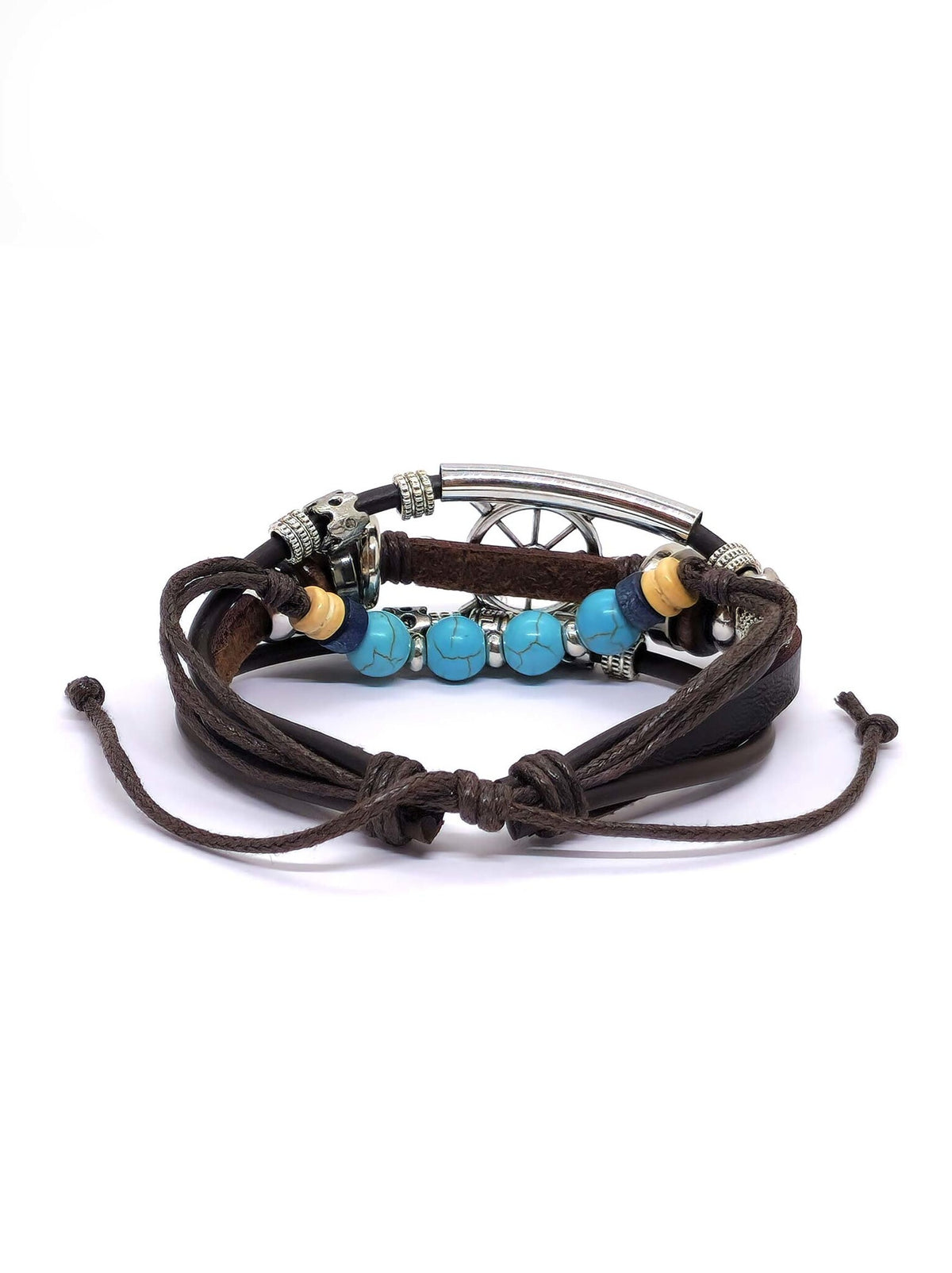
Leather Bracelet Dharma Wheel darkbrown
Sale priceCHF 17.50

Wooden Bracelet With 7 Chakras And Om, Brown
Sale priceCHF 9.50

Lava Stone Bracelet With Buddha and 7 Chakras, Stretchable
Sale priceCHF 12.50

Onyx Bead Bracelet with 7 Chakras and Tree, Stretchable
Sale priceCHF 12.50

Tibetan Brass Bangle
Sale priceCHF 14.50

Tiger Eye Bracelet with 7 Chakras and Tree, Stretchable
Sale priceCHF 10.50

Bracelet Matt White and 7 Chakra Beads With Buddha
Sale priceCHF 8.50

Tiger Eye Bracelet, Stretchable
Sale priceFrom CHF 10.50

Tiger Eye Bracelet with 7 Chakras and Buddha, Stretchable
Sale priceCHF 10.50

Rudraksha Bracelet with Tassel, Stretchable Elastic
Sale priceCHF 8.50

Bracelet colourful stone beads, adjustable
Sale priceCHF 15.50

Rudraksha Bracelet, Adjustable
Sale priceCHF 8.50

Handcrafted Tibetan Bangle with Dorje and Mantra
Sale priceFrom CHF 15.50

Hand-Woven Beaded Bracelet
Sale priceCHF 6.50

Rudraksha Bracelet With Tassel, Stretchable
Sale priceCHF 7.50

Tibetan Bracelet Malachite
Sale priceCHF 18.50

Bracelet "Om Mani Padme Hum", 18 cm
Sale priceCHF 19.50

Bracelet Rose Quartz Wrist Mala, Strechable
Sale priceCHF 14.50

Bracelet Three Dzis 2-Eye, Adjustable
Sale priceCHF 15.50

Tibetan Wristband Mala Amethyst Stone Beads
Sale priceCHF 19.50

Rudraksha Wristband Mala Turquoise, Stretchable
Sale priceCHF 13.50

Lapis Lazuli Bracelet with Adjustable Size
Sale priceCHF 19.50

Mala Wristband 5 Mukhi Rudraksha, large, 16 mm, dark, adjustable
Sale priceCHF 13.50

Tibetan Wristband Mala Calcite Beads
Sale priceCHF 19.50

Flower of Life Brass Bangle
Sale priceCHF 25.50

Tibetan Bangle Trio Stones
Sale priceCHF 21.50

Rudraksha Mala Bracelet with Tassel, Stretchable Elastic, 10 mm
Sale priceCHF 8.50

Simple Copper Bangle 17.5cm – Tibetan Jewellery
Sale priceCHF 13.50

Rose Quartz Kids Bracelet Chips – Natural Stone for Love & Comfort
Sale priceCHF 12.50

Seven Chakra Copper Cuff Bracelet Handcrafted, Adjustable
Sale priceCHF 39.50

Tibetan Lucky Red Bracelet Dzi Bead Hand-Braided
Sale priceCHF 17.50
What do Tibetan bracelets and lucky cords mean and how are they worn?
Related categories