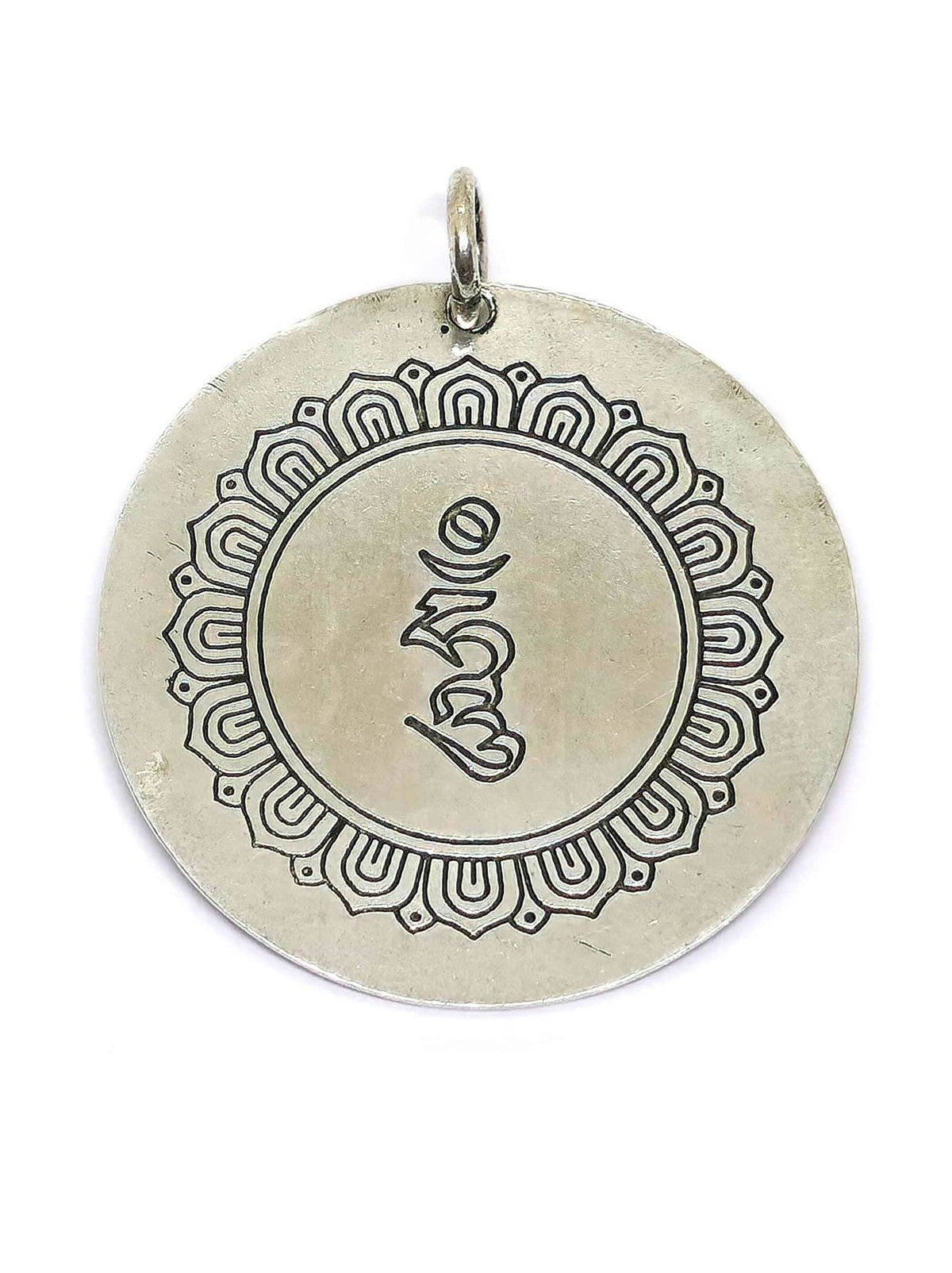




Pendant Duo Buddha and Lotus
Sale priceCHF 4.50
Medicine Buddha Pendant with "Om Mani Padme Hum"
Sale priceCHF 14.50

Tibetan Mini Cotton Prayer Flag, Medicine Buddha, 7 x 8.5 cm, 75 cm
Sale priceCHF 6.50

Handcrafted Honey Calcite Bead Bracelet with Buddha Charm
Sale priceCHF 24.50

Mini Buddha Statue – Brass & Copper Blend Pendant or Altar Figure
Sale priceCHF 12.50

Medicine Buddha Statue Copper Vintage Dark Brown
Sale priceCHF 25.50

Wooden Bracelet with 7 chakras and Buddha, Brown
Sale priceCHF 12.50

Tibetan Prayer Beads Jade Stone Mala with Spacers and Buddha
Sale priceCHF 94.50

Pendant / Keychain Buddha
Sale priceCHF 15.50

Wall Hanging Buddhas, 200 x 150 cm
Sale priceCHF 56.50
Tibetan Thangka Buddha Shakyamuni, Mini
Sale priceCHF 19.50

Tibetan Thangka Medicine Buddha, Mini
Sale priceCHF 19.50

Tibetan Thangka Medicine Buddha, Hand Printed On Rice Paper, Mini
Sale priceCHF 22.50

Gift Set Box Buddha Eyes
Sale priceCHF 79.50

Rice Paper Tibetan Wall Hanging Medicine Buddha
Sale priceCHF 18.50

Lava Stone Bracelet With Buddha and 7 Chakras, Stretchable
Sale priceCHF 12.50

Cotton Bag Little Buddha Meditation
Sale priceCHF 29.50

Tibetan Keychain Buddha
Sale priceCHF 8.50

Hemp Cotton Backpack Buddha
Sale priceCHF 59.50

Tibetan Prayer Beads Black Onyx With 3 Buddha Marker Beads
Sale priceCHF 69.50

Tibetan Prayer Beads Conch Shell Mala
Sale priceCHF 84.50

Necklace Black Onyx With Pendant Buddha
Sale priceCHF 24.50

Bracelet Matt White and 7 Chakra Beads With Buddha
Sale priceCHF 8.50

Tiger Eye Bracelet with 7 Chakras and Buddha, Stretchable
Sale priceCHF 10.50

Tibetan Prayer Beads Carnelian Mala With Mani Mantra Spacers and Buddha
Sale priceCHF 84.50

Amulet Medicine Buddha
Sale priceCHF 9.50

Car Mirror Charm and Keychain Buddha Shakyamuni
Sale priceCHF 8.50

Tibetan Earring Buddha
Sale priceCHF 4.50

Hand-Painted Buddha Tibetan Wooden Wall Hanging
Sale priceCHF 99.50

Hand-Painted Medicine Buddha Tibetan Wooden Wall Hanging
Sale priceCHF 99.50

Buddha Thangka Embroidered Tibetan Wall hanging
Sale priceCHF 32.50

Tibetan Brass Keychain with Buddha Carving
Sale priceCHF 10.50

Tibetan Thangka Shakyamuni Buddha 80 x 55 cm, blue
Sale priceCHF 210.00

Buddha Statue Made of Brass, Partly Gold Plated, 21cm
Sale priceCHF 395.00

Medicine Buddha Statue with Throne
Sale priceCHF 245.00

Handmade Tibetan Singing Bowl, Mantra and Buddha engraved, Ø 25 cm, 2 kg
Sale priceCHF 595.00

Handcrafted Tibetan Singing Bowl, carved with Buddha and Mantra, Ø 27cm, 2kg
Sale priceCHF 715.00

Tibetan Thangka Medicine Buddha 80 x 55 cm
Sale priceCHF 210.00

Tibetan Thangka Medicine Buddha, Made of High Quality Brocade, 80 x 50 cm
Sale priceCHF 310.00

Medicine Buddha Statue, Made of Brass, Partly Gold Plated, 31cm
Sale priceCHF 895.00


Tibetan Prayer Wheel with Buddha
Sale priceCHF 59.50

Shakyamuni Buddha pendant, made of brass and white metal, 4cm
Sale priceCHF 22.50

Shakyamuni Buddha Stone Statue – A Handcrafted Masterpiece
Sale priceCHF 495.00

Mini Shakyamuni Buddha Statue, Copper Symbol of Wisdom and Enlightenment, 3.5 cm
Sale priceCHF 15.50

Tibetan Buddha Shakyamuni Copper Statue 6.5cm
Sale priceCHF 25.50


What does Buddha mean and which depictions exist in the Tibetan tradition?
Related categories