



Incense Holder Lotus
Sale priceCHF 12.50

Tibetan Butter Lamp, Copper
Sale priceFrom CHF 49.50

Tibetan Dorje Phurba – Ritual Dagger in Copper, 9.5 cm
Sale priceCHF 28.50

Medicine Buddha Statue Copper Vintage Dark Brown
Sale priceCHF 25.50

Incense Holder Set With 8 Auspicious Signs
Sale priceCHF 16.50

Tibetan Water Prayer Bowl (7 Set)
Sale priceFrom CHF 39.50

Tibetan Water Offering Bowl With Engraving (set of 7)
Sale priceFrom CHF 47.50
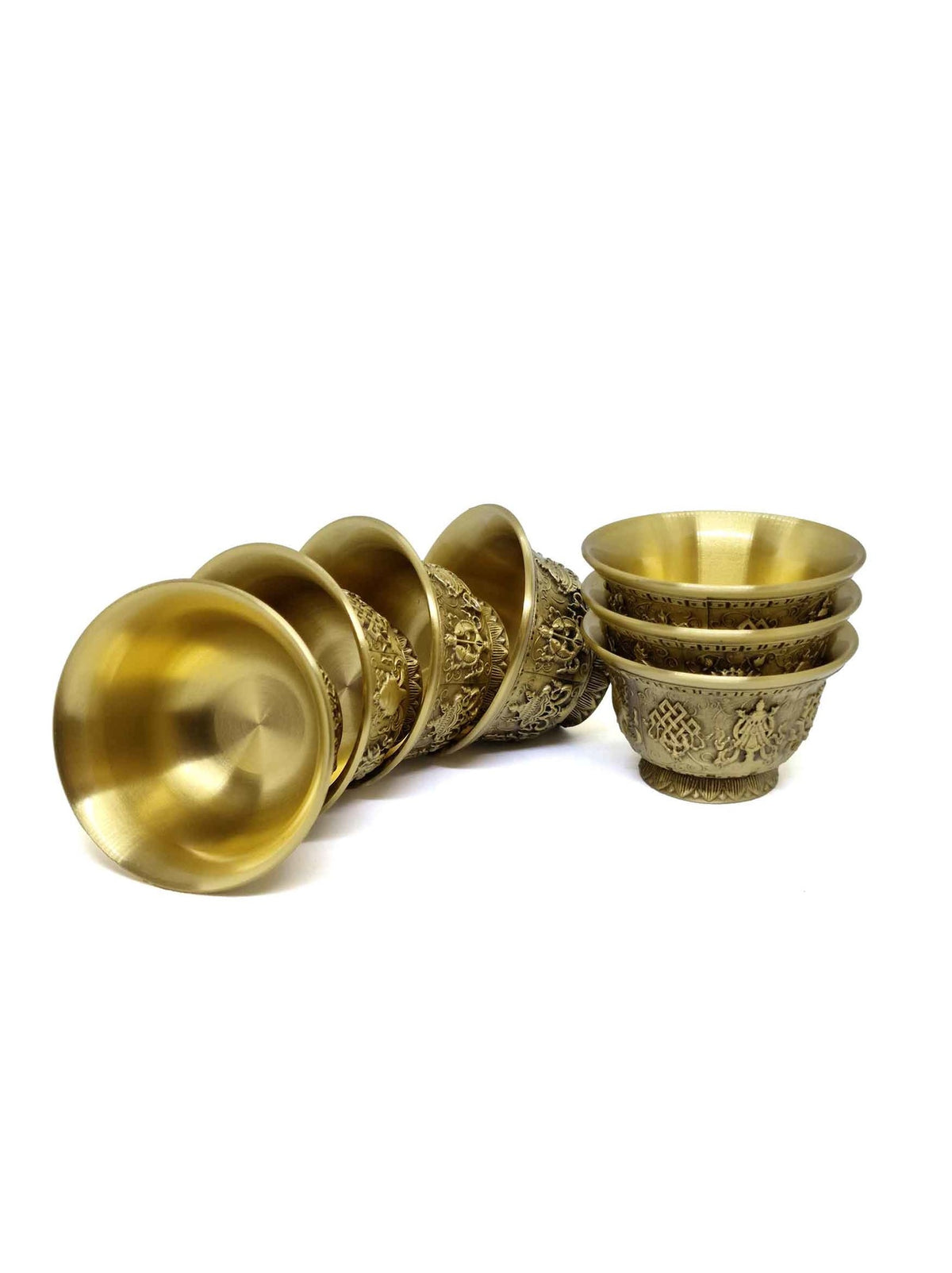
Tibetan Water Offering Bowl (set of 7), 8 Auspicious Symbols
Sale priceFrom CHF 145.00

Offering Mandala Six-Piece
Sale priceCHF 60.50

Buddhist Stupa Of Enlightenment
Sale priceCHF 74.50

Serkim Set For Offerings
Sale priceCHF 59.50

Brocade Robe for Green Tara
Sale priceCHF 39.50

Statue Guru Rinpochen (Padmasambhava), 21cm
Sale priceCHF 255.00

Green Tara Statue With Throne
Sale priceCHF 245.00

Tibetan Chenrezig Statue, 22.5cm
Sale priceCHF 255.00

Medicine Buddha Statue with Throne
Sale priceCHF 245.00

Buddha Statue Made of Brass, Partly Gold Plated, 21cm
Sale priceCHF 395.00

Chenrezig (Avalokiteshvara) Statue mit Thron
Sale priceCHF 245.00

Chenrezig Statue, Made of Brass, Gold-Gilded, 23cm
Sale priceCHF 395.00

Offering Mandala Five-Piece
Sale priceCHF 69.50

Handcrafted Tibetan Altar Shrine, Made of Himalayan Wood
Sale priceCHF 89.50

Tibetan Butter Lamp, Made of Brass, 11cm
Sale priceCHF 69.50

Tibetan Butter Lamp, Made of Brass, small, 6cm
Sale priceCHF 14.50

Guru Rinpochen Statue, Made of Brass, Partially Gold-Plated, 35cm
Sale priceCHF 895.00

Tibetan Chemar Bo, Handcrafted from Wood
Sale priceCHF 94.50

Medicine Buddha Statue, Made of Brass, Partly Gold Plated, 31cm
Sale priceCHF 895.00

Tibetan Steel Water Offering Bowl (Set of 7)
Sale priceFrom CHF 26.50

Green Tara Statue, Made of Copper, Partially Gold-Plated, 22cm
Sale priceCHF 395.00

Handmade Copper Tibetan Serkim Offering Bowl, 12.5 cm
Sale priceCHF 44.50

Shakyamuni Buddha Stone Statue – A Handcrafted Masterpiece
Sale priceCHF 495.00

Tibetan 9-Pronged Dorje Vajra – Symbol of Strength and Protection, 14.5 cm
Sale priceCHF 49.50

Tibetan Butter Lamp in Brass, Handcrafted Ritual Light, 9.5 cm
Sale priceCHF 35.50

Mini Shakyamuni Buddha Statue, Copper Symbol of Wisdom and Enlightenment, 3.5 cm
Sale priceCHF 15.50

Tibetan Green Tara Statue, Copper Figurine of the Goddess of Compassion, 9.5 cm
Sale priceCHF 74.50

Tibetan 5-Prong Copper Dorje Vajra, 8.5 cm, Tseshi
Sale priceCHF 25.50

Tibetan Dorje Vajra – 5-Pronged Ritual Symbol in Copper, 8.5 cm
Sale priceCHF 25.50


Small Tibetan Dorje Vajra – 9-Prong Copper Ritual Symbol, 9 cm
Sale priceCHF 29.50

Tibetan Tsepakme Statue, Buddha of Long Life in Copper, 6 cm
Sale priceCHF 25.50


Tibetan Guru Rinpoche Statue in Copper, Symbol of Wisdom and Protection, 6.5cm
Sale priceCHF 45.50

Tibetan Shinjé Shed Yab-Yum Statue, Yamantaka and Vajravārāhī in Union, 18cm
Sale priceCHF 195.00

Tibetan Buddha Shakyamuni Copper Statue 6.5cm
Sale priceCHF 25.50


What does it mean to give a ritual a fitting place?
Related Categories