

Tibetan Bangle Mantra "Om Mani Padme Hum"
Sale priceCHF 14.50

Tibetan Copper Bangle with Dorje and Mantra
Sale priceCHF 24.50

Tibetan Finger Ring With Adjustable Size, Cut Out Mantra "Om Mani Padme Hum"
Sale priceCHF 14.50

Jewelry Pendant Prayer Wheel Mantra
Sale priceCHF 13.50

Tibetan Mantra Finger Ring "Om Mani Padme Hum"
Sale priceCHF 6.50
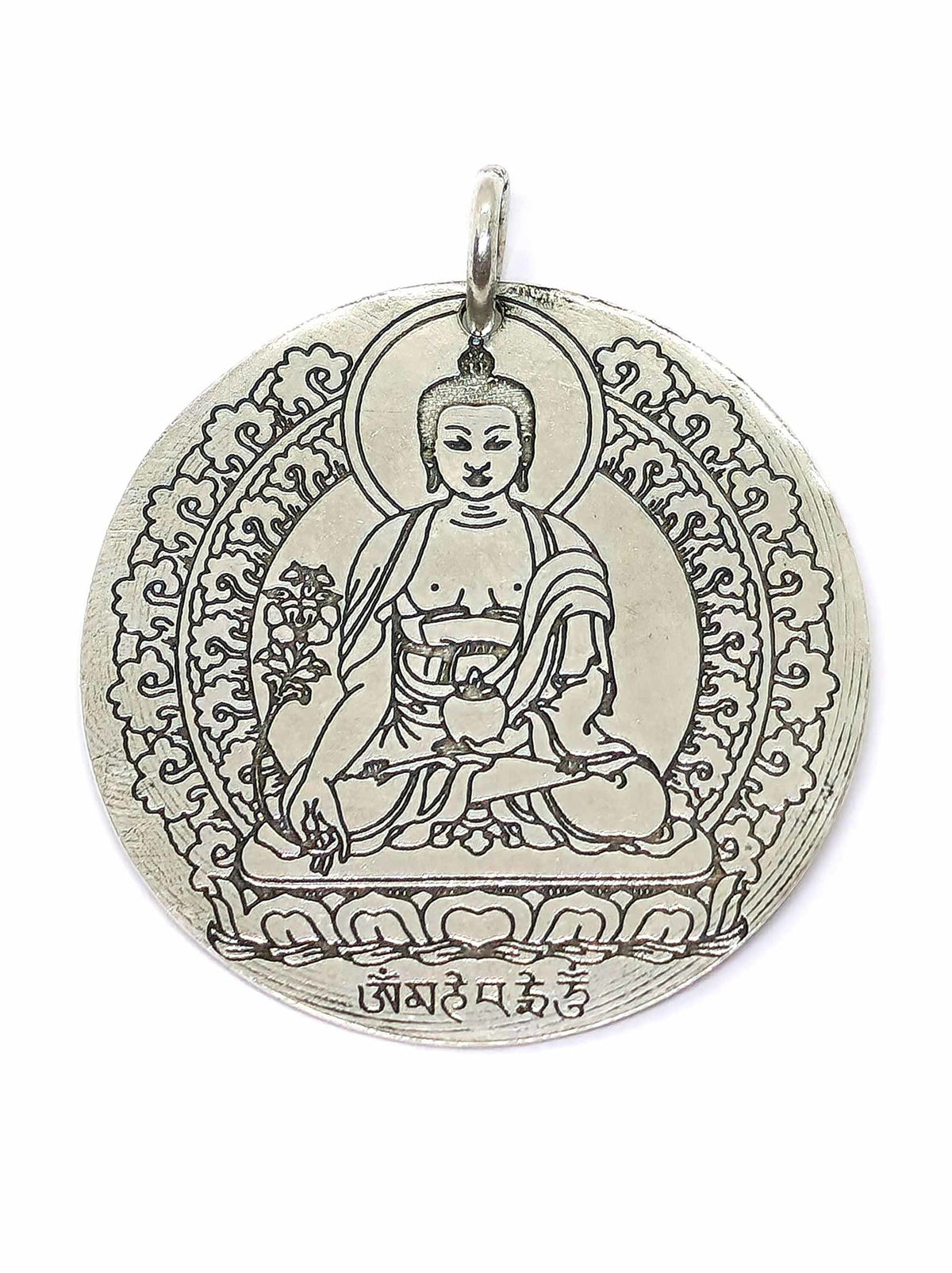
Medicine Buddha Pendant with "Om Mani Padme Hum"
Sale priceCHF 14.50

Handcrafted Tibetan Bangle with Dorje and Mantra
Sale priceFrom CHF 15.50

Tibetan Table Prayer Wheel, 14cm
Sale priceCHF 69.50

Tibetan Wall & Table Prayer Wheel – Handmade Spiritual Harmony
Sale priceCHF 74.50

Tibetan Incense Holder With Lid
Sale priceCHF 74.50

Wall Hanging Om Mani Padme Hum
Sale priceCHF 36.50

Tibetan Prayer Flag "Om Mani Padme Hum", Mini, 6.5 x 7.5 cm, 65 cm
Sale priceCHF 5.50

Wooden Board Wall Decoration Om Mani Padme Hum
Sale priceCHF 37.50

Tibetan Brass Singing Bowl "Om Mani Padme Hum", blue, Ø 14.5cm, 840g
Sale priceCHF 79.50

Mani Stone "Om Mani Padme Hum"
Sale priceFrom CHF 11.50

Hand-Woven Beaded Bracelet
Sale priceCHF 6.50

Bracelet "Om Mani Padme Hum", 18 cm
Sale priceCHF 19.50

Tibetan Mantra Finger Ring "Om Mani Padme Hum" Sanskrit
Sale priceCHF 8.50

Tibetan Table Prayer Wheel, 10.5cm
Sale priceCHF 39.50

Tibetan Gong Engraved With Mantras and Double Dorje
Sale priceCHF 385.00

Tibetan Table Prayer Wheel, 18cm
Sale priceCHF 84.50

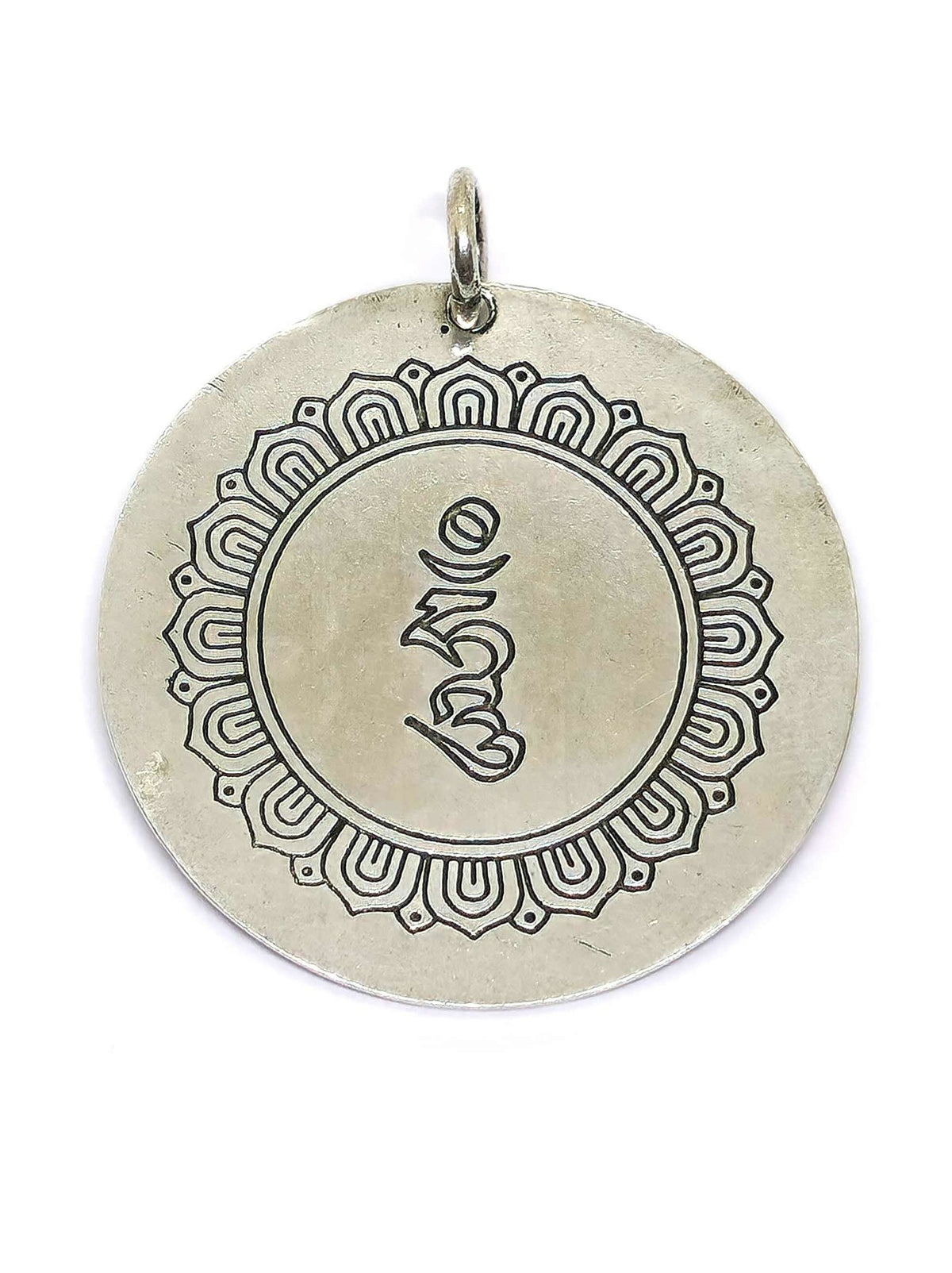
Tibetan Pendant "Om Mani Padme Hum"
Sale priceCHF 7.50


Full Moon Singing Bowl Om Mani Padme Hum, Set of 3
Sale priceCHF 169.00

Tibetan Singing Bowl - Full Moon, 3-Piece-Set, Ø 14cm, 450g
Sale priceCHF 115.00

Tibetan Prayer Flag "Om Mani Padme Hum", Mini, 12.5 x 12.5 cm, 125 cm
Sale priceCHF 8.50

Tibetan Silk Brocade Wall Hanging "Om Mani Padme Hum", 84cm
Sale priceCHF 47.50

Handmade Tibetan Singing Bowl, Mantra and Buddha engraved, Ø 25 cm, 2 kg
Sale priceCHF 595.00

Handcrafted Tibetan Singing Bowl, carved with Buddha and Mantra, Ø 27cm, 2kg
Sale priceCHF 715.00

Tibetan Singing Bowl, Adorned with Mantra, Schwarz, Ø 11cm, 450g
Sale priceCHF 59.50

Tibetan Brass Singing Bowl Mantra, 3-piece, red, Ø 8cm, 190g
Sale priceCHF 54.50

Tibetan Brass Singing Bowl Mantra, 3-piece, green, Ø 8cm, 190g
Sale priceCHF 54.50

Tibetan Singing Bowl - Full Moon, 4-Piece-Set, Ø 26cm, 1.9kg
Sale priceCHF 285.00

Tibetan Singing Bowl - Full Moon, 3-Piece-Set, Ø 23cm, 1.4kg
Sale priceCHF 245.00

Tibetan handheld prayer wheel, adorned with mantra, 26cm
Sale priceCHF 64.50

Tibetan Prayer Wheel with Buddha
Sale priceCHF 59.50

Tibetan Tabletop Filigree Prayer Wheel
Sale priceCHF 82.50

Tibetan Incense "Om Mani Padme Hum"
Sale priceCHF 11.50

Tibetan Singing Bowl Om Mani Padme Hum, with Wooden Mallet, Ø 8cm, 180g
Sale priceCHF 34.50

Tibetan Singing Bowl 3-Piece Set Brass Mantra Om Mani Padme Hum, Ø 11cm, 390g
Sale priceCHF 67.50
What does Om Mani Padme Hum mean and why is it worn all over the world?
Related categories