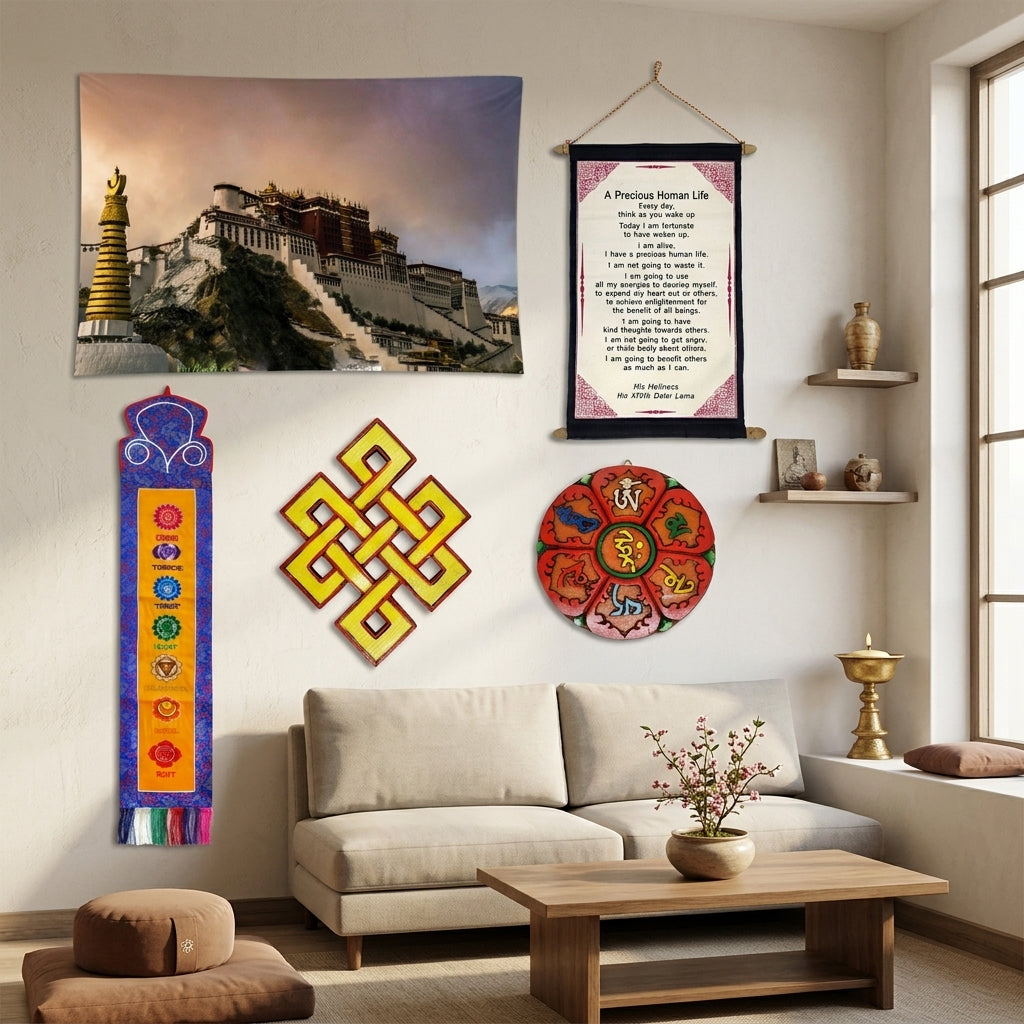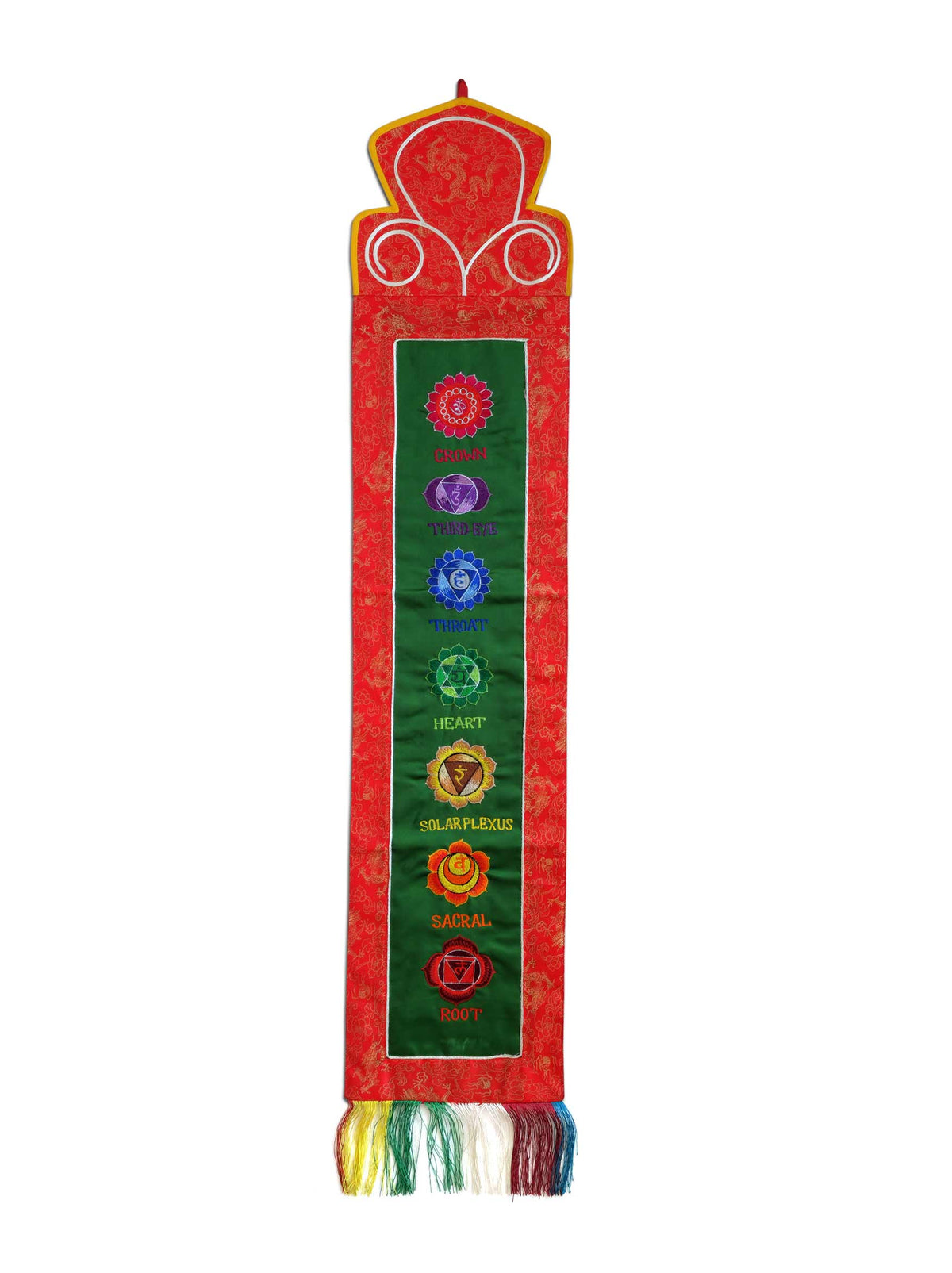

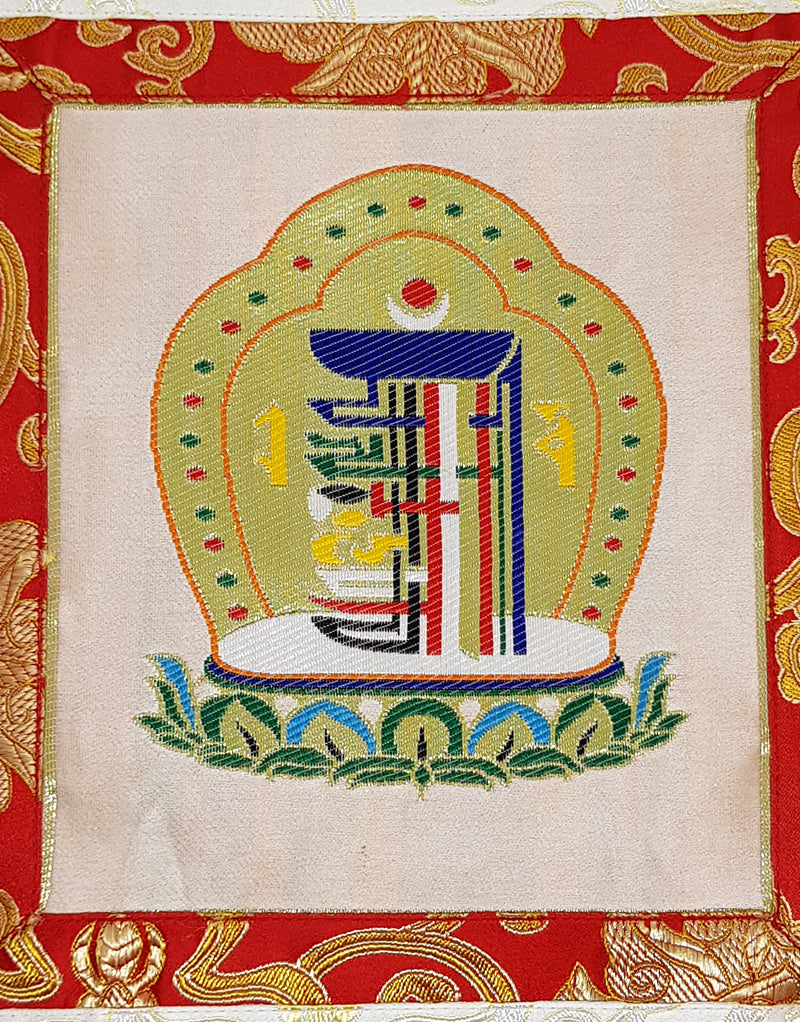


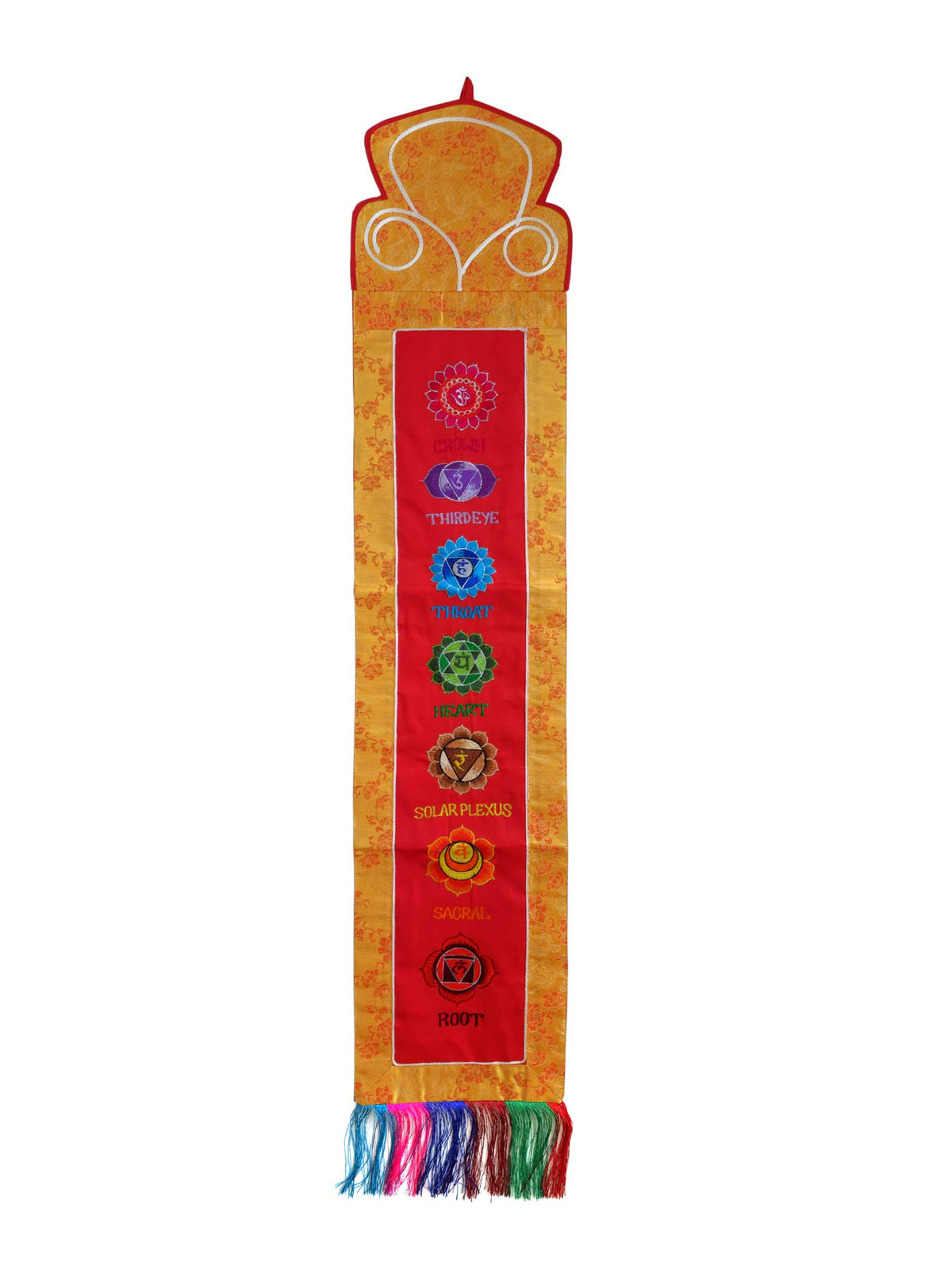
Tibetan Wall Hanging, Seven Chakras
Sale priceCHF 61.50

Wall Hanging 8 Auspicious Symbols Nyatri
Sale priceCHF 99.50

Wall Hanging 8 Auspicious Symbols Khawo
Sale priceCHF 99.50

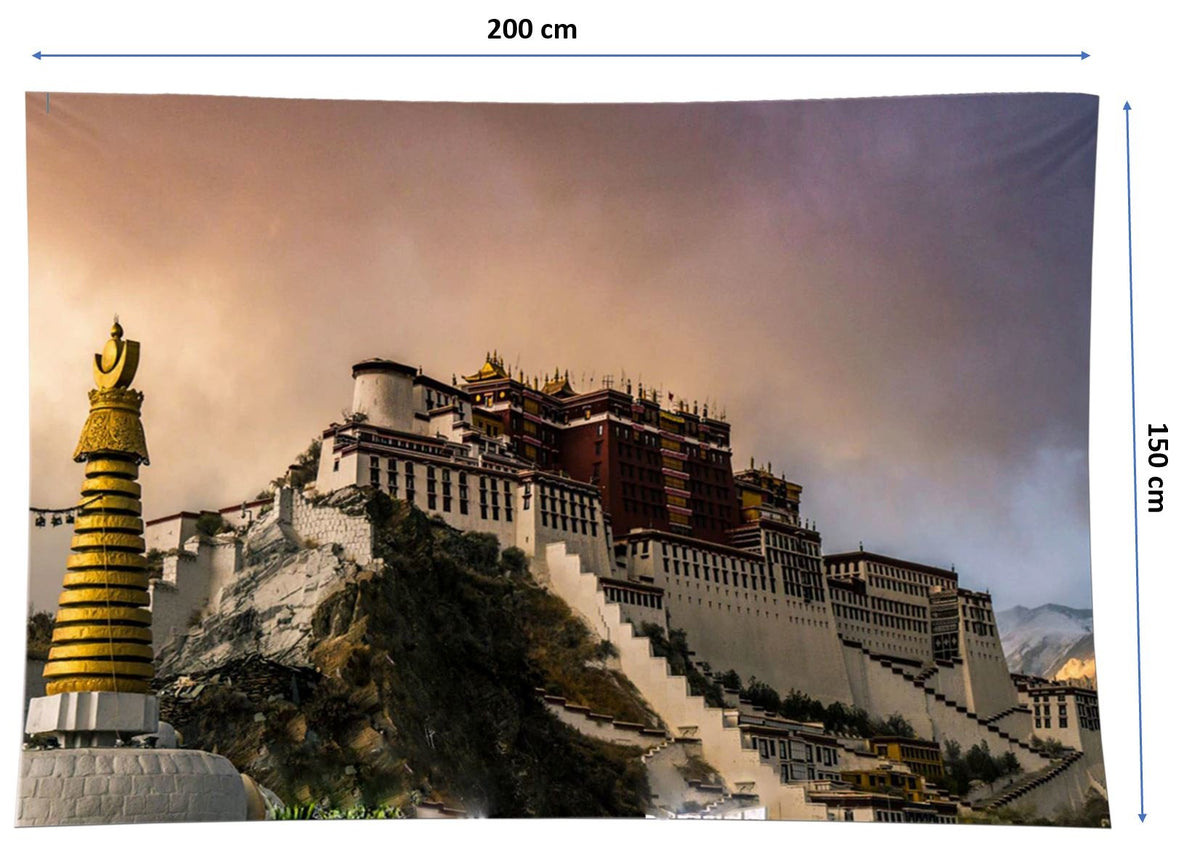
Wall Hanging Potala Palace, 200 x 150 cm
Sale priceCHF 59.50

Wall Hanging Buddhas, 200 x 150 cm
Sale priceCHF 56.50
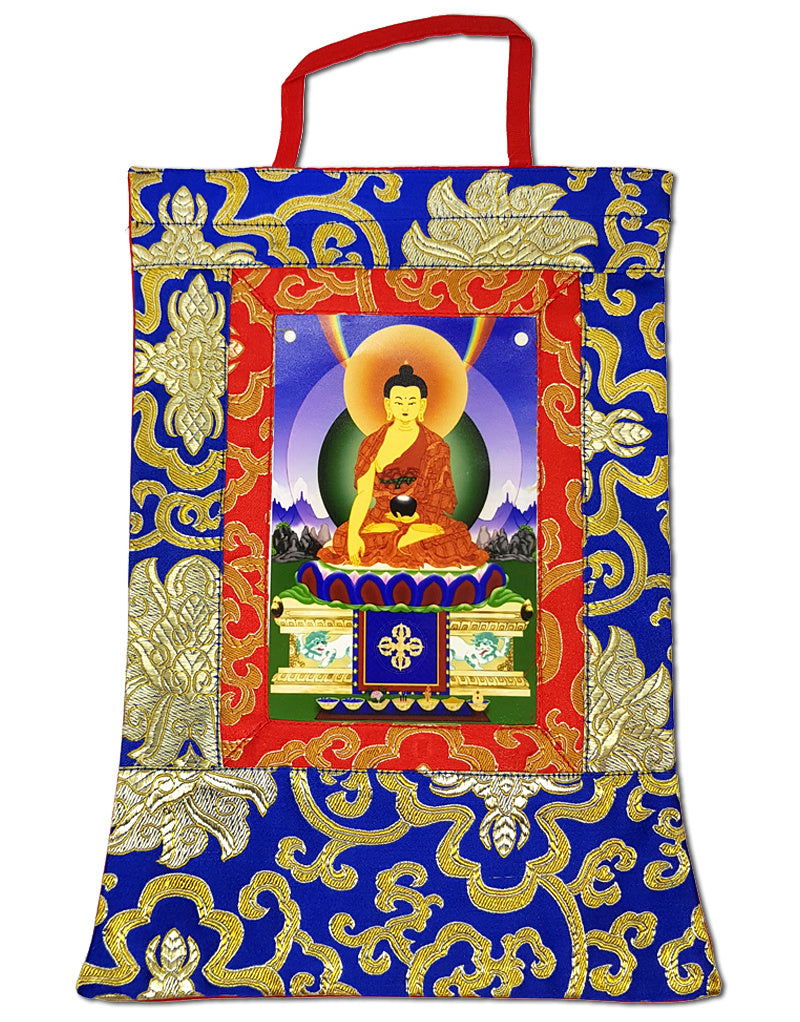
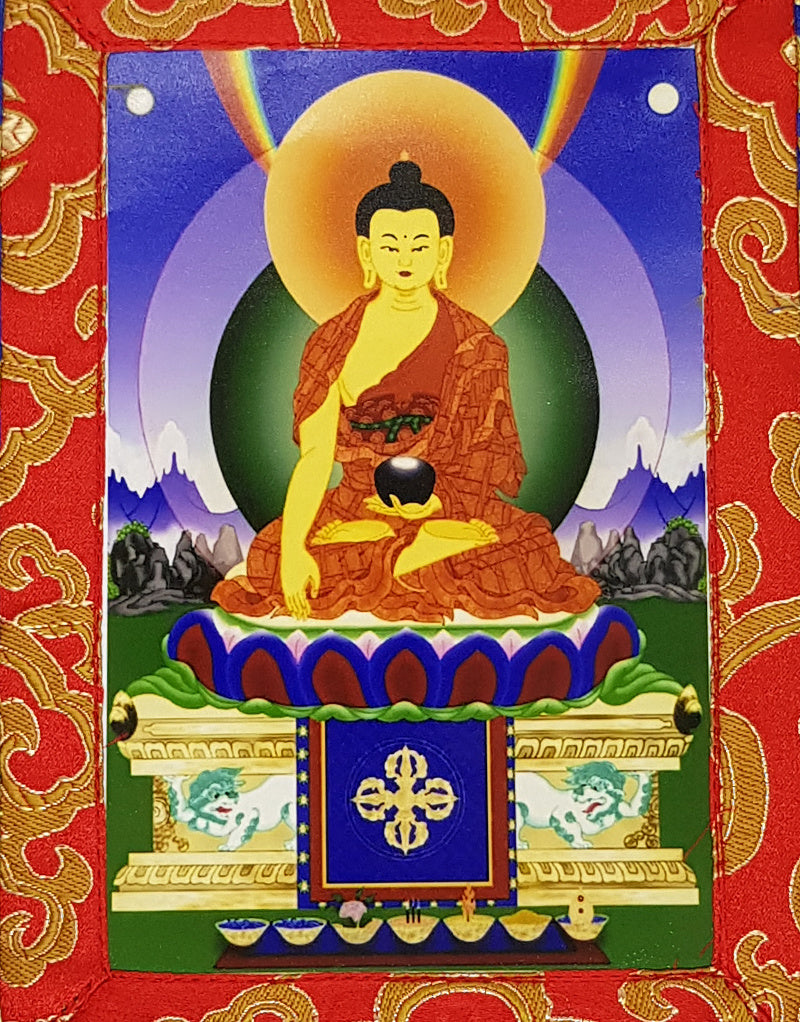
Tibetan Thangka Buddha Shakyamuni, Mini
Sale priceCHF 19.50

Tibetan Thangka Kalachakra, Mini
Sale priceCHF 34.50

Tibetan Thangka Guru Rinpochen Padmasambhava, Mini
Sale priceCHF 19.50

Tibetan Thangka Dalai Lama quote "A PRECIOUS HUMAN LIFE"
Sale priceCHF 19.50

Wall Hanging Tibetan Symbols of Luck
Sale priceCHF 34.50

Tibetan Thangka Medicine Buddha, Mini
Sale priceCHF 19.50

Tibetan Thangka Dalai Lama quote "THE PARADOX OF OUR AGE"
Sale priceCHF 19.50

Wall Hanging Om Mani Padme Hum
Sale priceCHF 36.50

Tibetan Thangka Medicine Buddha, Hand Printed On Rice Paper, Mini
Sale priceCHF 22.50

Wall Hanging "The Four Harmonious Friends", rice paper
Sale priceCHF 18.50

Door / wall hanging Tashi Delek
Sale priceCHF 44.50

Wall Hanging White Tara, Rice Paper
Sale priceCHF 18.50

Tibetan Ceiling Hanging Galjin
Sale priceCHF 24.50

Rice Paper Tibetan Wall Hanging Medicine Buddha
Sale priceCHF 18.50

Wall Hanging Dalai Lama Quote with Two Golden Fishes
Sale priceCHF 28.50

Tibetan Thangka Dalai Lama quote "Tolerance"
Sale priceCHF 22.50

Tibetan Thangka "The Four Harmonious Friends", Handprinted On Rice Paper, Mini
Sale priceCHF 19.50

Wall Hanging Tibetan Auspicious Symbols, Yellow
Sale priceCHF 44.50

Wall Hanging Dalai Lama Quote "True Meaning of Life"
Sale priceCHF 29.50

Tibetan Thangka "Boudhanath Stupa", mini
Sale priceCHF 22.50

Tibetan Thangka "8 Auspicious Signs", mini
Sale priceCHF 22.50

Hand-Painted Medicine Buddha Tibetan Wooden Wall Hanging
Sale priceCHF 99.50

Hand-Painted Buddha Tibetan Wooden Wall Hanging
Sale priceCHF 99.50

Buddha Thangka Embroidered Tibetan Wall hanging
Sale priceCHF 32.50
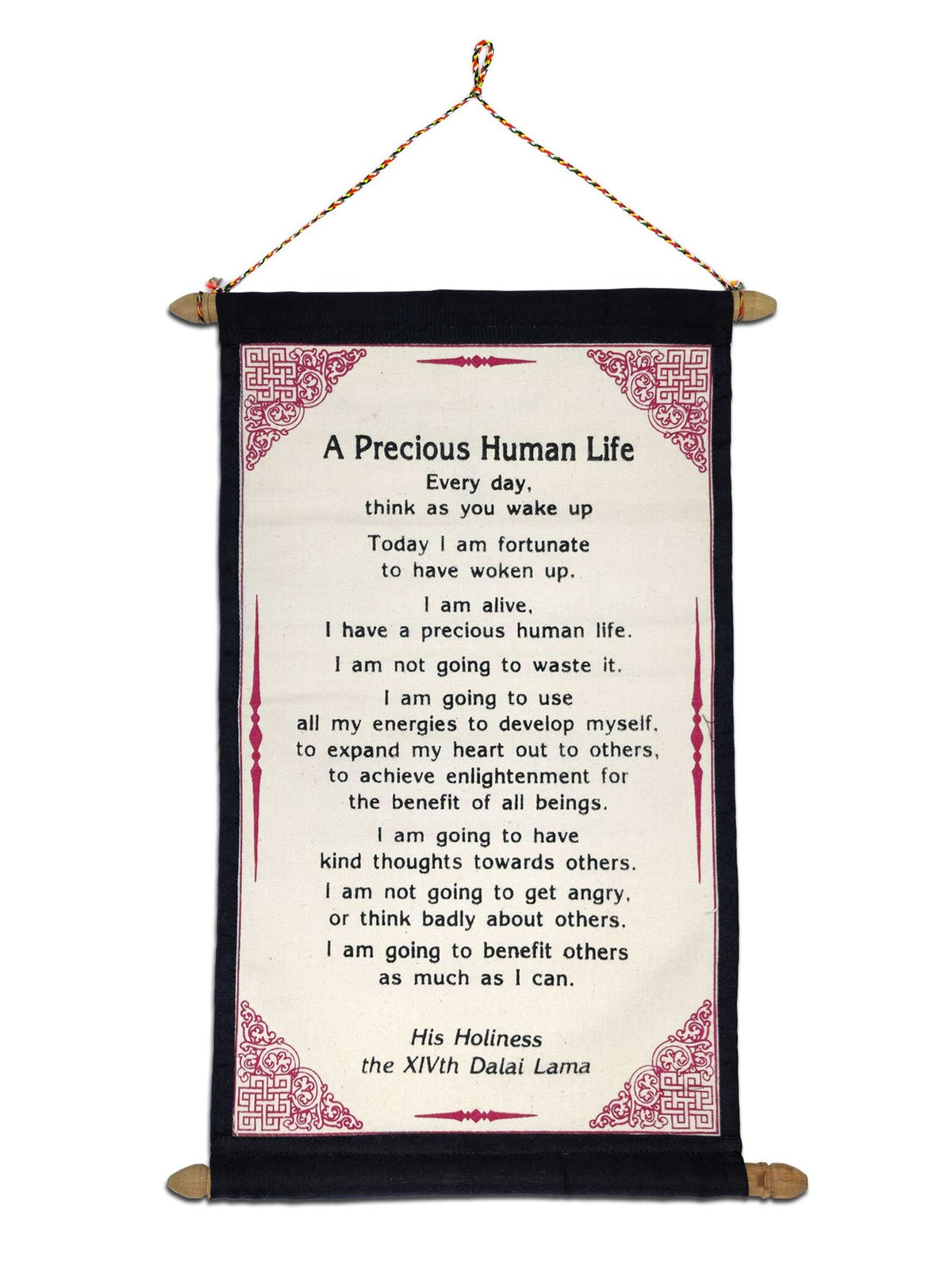
Tibetan Mini Wall Hanging, Dalai Lama Quote "A Precious Human Life"
Sale priceCHF 19.50

Tibetan Mini Wall Hanging, Dalai Lama Quote "COMPASSION"
Sale priceCHF 19.50

Tibetan Mini Wall Hanging, Dalai Lama Quote "PRIDE"
Sale priceCHF 19.50

Tibetan Mini Wall Hanging, Dalai Lama Quote "TOLERANCE"
Sale priceCHF 19.50

Tibetan Mini Wall Hanging, Dalai Lama Quote "THE PARADOX OF OUR AGE"
Sale priceCHF 19.50

Tibetan Thangka Shakyamuni Buddha 80 x 55 cm, blue
Sale priceCHF 210.00

Tibetan Thangka Manjushri, Mini
Sale priceCHF 19.50

Green Tara Thangka, mini
Sale priceCHF 19.50

Tibetan Thangka Thousand-Armed Thousand-Eyed Chenrezig
Sale priceCHF 19.50

White Tara Thangka, Mini
Sale priceCHF 19.50

Tibetan Chenrezig Thangka, Mini
Sale priceCHF 19.50

Hand-Painted Chenrezig (Avalokiteshvara) Tibetan Wooden Wall Hanging
Sale priceCHF 99.50

Hand-Painted Green Tara Tibetan Wooden Wall Hanging
Sale priceCHF 99.50

Hand-Painted White Tara Tibetan Wooden Wall Hanging
Sale priceCHF 99.50

Tibetan Silk Brocade Wall Hanging, Auspicious Symbols and Mantras
Sale priceCHF 44.50

Tibetan Silk Brocade Wall Hanging "Om Mani Padme Hum", 84cm
Sale priceCHF 47.50

Tibetan Thangka Green Tara 80 x 55 cm
Sale priceCHF 210.00

Tibetan Thangka Medicine Buddha, Made of High Quality Brocade, 80 x 50 cm
Sale priceCHF 310.00

Tibetan Thangka Medicine Buddha 80 x 55 cm
Sale priceCHF 210.00
What is a thangka and how does it differ from an ordinary picture?
Related categories