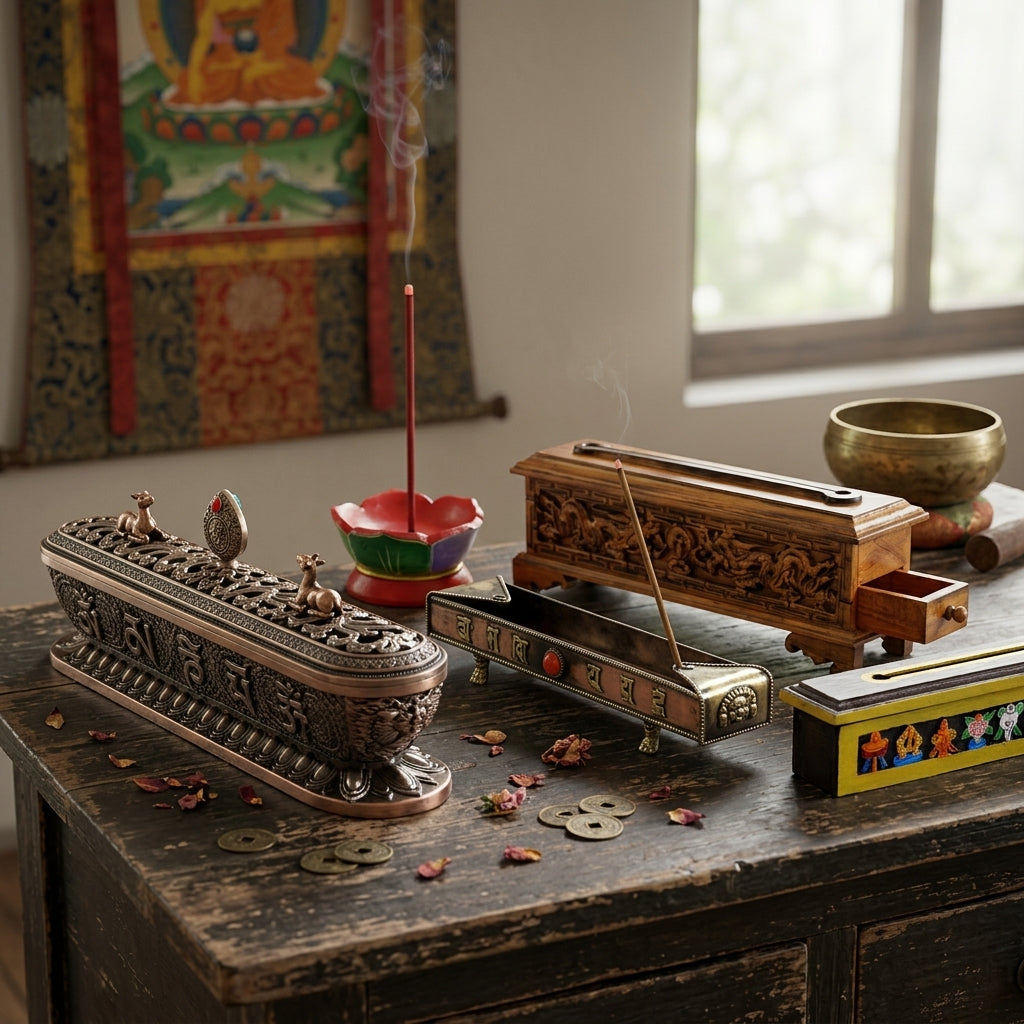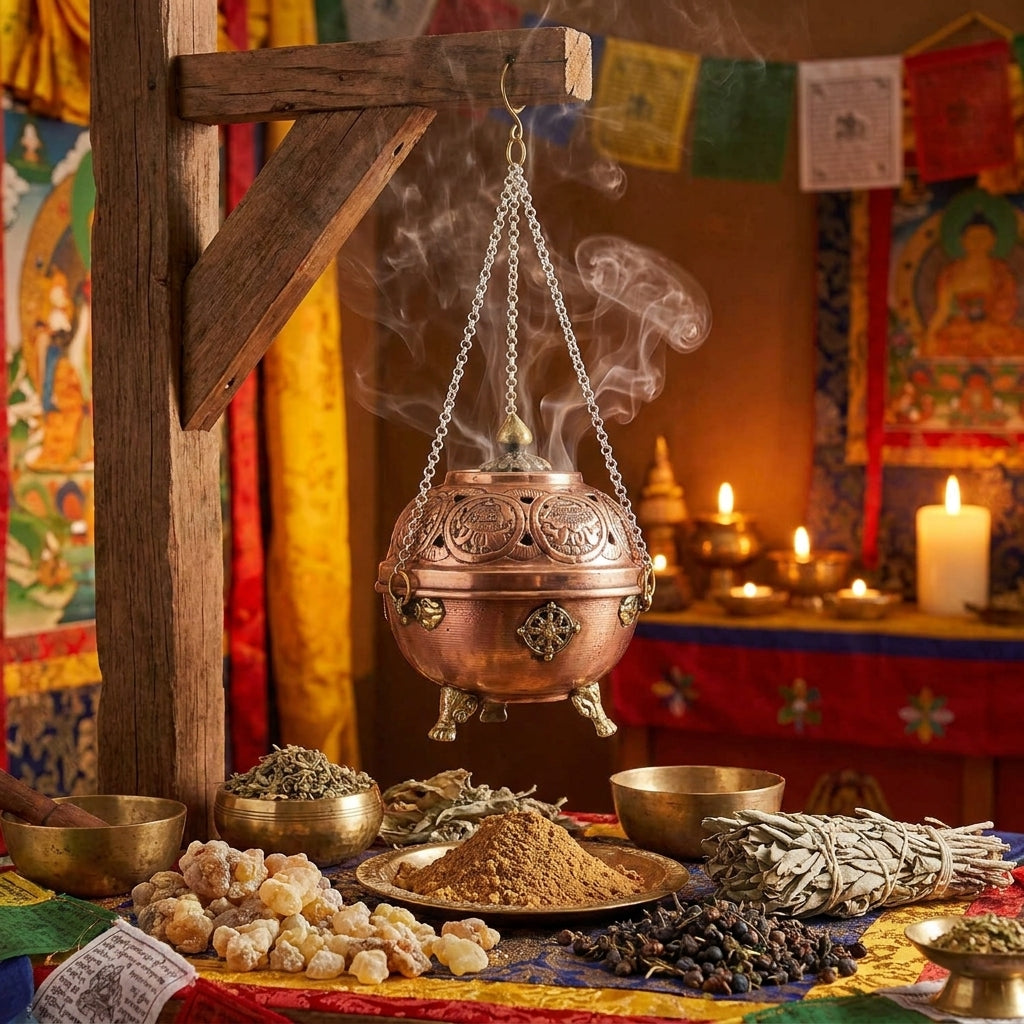


Traditional Tibetan Incense Sticks, Handmade with Natural Himalayan Herbs
Sale priceCHF 6.50

Tibetan Incense Sticks Sorig Tibetan Incense, Duo
Sale priceCHF 11.50

Red Crystal Incense, Original from Drikung Kagyü Monastery
Sale priceCHF 27.50

Tibetan Incense Sticks Om Incense
Sale priceCHF 14.50

Tibetan Incense Sticks Green Tara
Sale priceCHF 16.50
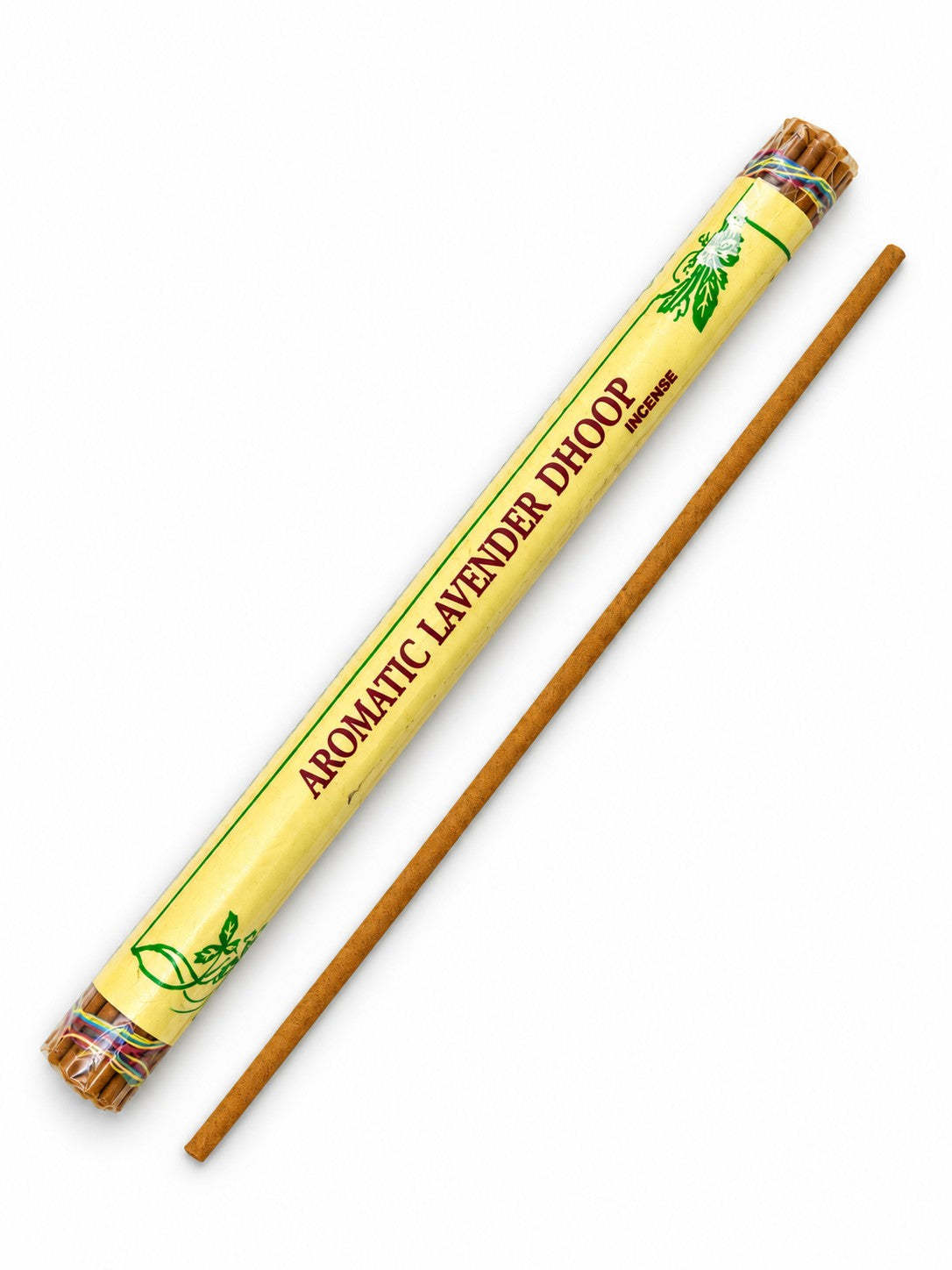
Aromatic Lavender Dhoop Incense
Sale priceCHF 6.50
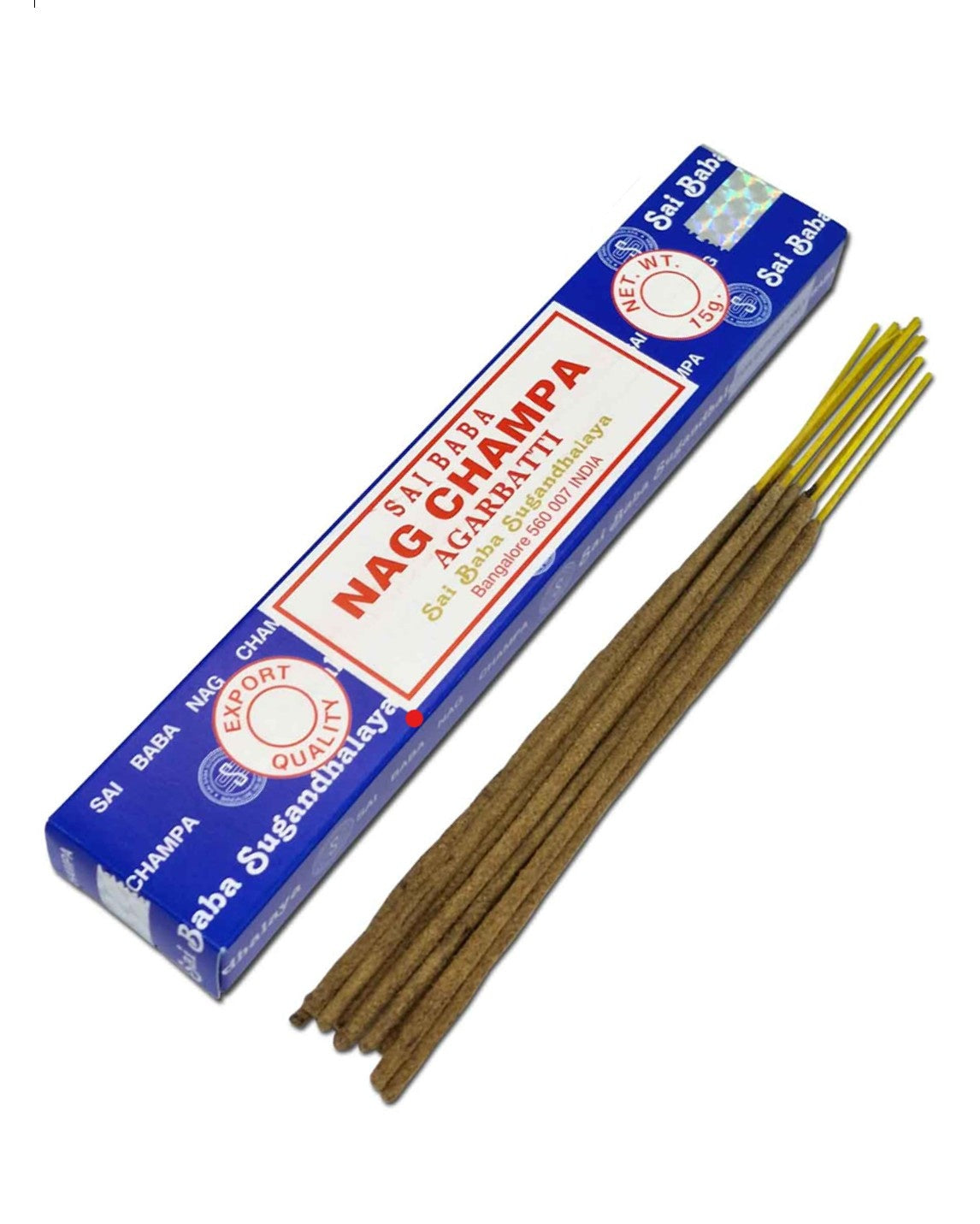
Incense Nag Champa Agarbatti Satya Sai Baba
Sale priceFrom CHF 5.50

Tibetan Incense Sorig Tibetan Incense
Sale priceCHF 7.50

Tibetan Incense Sorig Anti-Stress
Sale priceCHF 10.50

Tibetan OM Incense
Sale priceCHF 12.50

Tibetan LUG-SAM INCENSE
Sale priceFrom CHF 19.50

Natural Cones Incense
Sale priceCHF 12.50

Tibetan Lemongrass incense
Sale priceCHF 13.50

Incense Sticks Deluxe Nagchampa
Sale priceCHF 4.50
Regular priceCHF 8.50

Vedika Nirvana Incense Sticks Hand-Rolled, 15 Pieces, 20 cm
Sale priceCHF 7.50

Tibetan Incense - Mila Incense
Sale priceFrom CHF 6.50

Tibetan Incense Potala Incense
Sale priceFrom CHF 6.50

Tibetan Incense - Shambala Incense
Sale priceFrom CHF 7.50

Tibetan Incense Peace Incense
Sale priceCHF 9.50

Tibetan Incense "Green Tara Incense" With Bodhi Leaf
Sale priceCHF 13.50

Tibetan Incense "Rose (Gulab) Incense"
Sale priceCHF 13.50

Tibetan Incense "Agarwood Incense"
Sale priceCHF 13.50

Tibetan Kalachakra Incense
Sale priceCHF 7.50

Tibetan Incense Shenchen
Sale priceCHF 22.50

Tibetan Incense 31 Herbs NgalSo
Sale priceCHF 9.50

Tibetan Incense Sticks Zambala Prayer Incense
Sale priceCHF 15.50

Tibetan Tara Incense
Sale priceCHF 12.50

Tibetan Tho-Gang Incense
Sale priceCHF 8.50

Tibetan Yangtse Incense
Sale priceCHF 29.50

Tibetan Incense "Om Mani Padme Hum"
Sale priceCHF 11.50

Incense Sticks Osho Dream
Sale priceCHF 4.50
Regular priceCHF 8.50


Tibetan Tara Incense Sticks, Handcrafted, 20 Pieces
Sale priceCHF 15.50

Aromatic Incense Sticks Holy Basil Dhoop
Sale priceCHF 6.50

Benzoin Dhoop – Aromatic Incense Sticks from Nepal
Sale priceCHF 6.50

Shechen Riwo Sangchoe – Tibetan Incense Sticks for Sang Rituals
Sale priceCHF 14.50

Jasmine Dhoop – Aromatic Incense Sticks from Nepal
Sale priceCHF 6.50
What sets Tibetan incense sticks apart?
Related categories