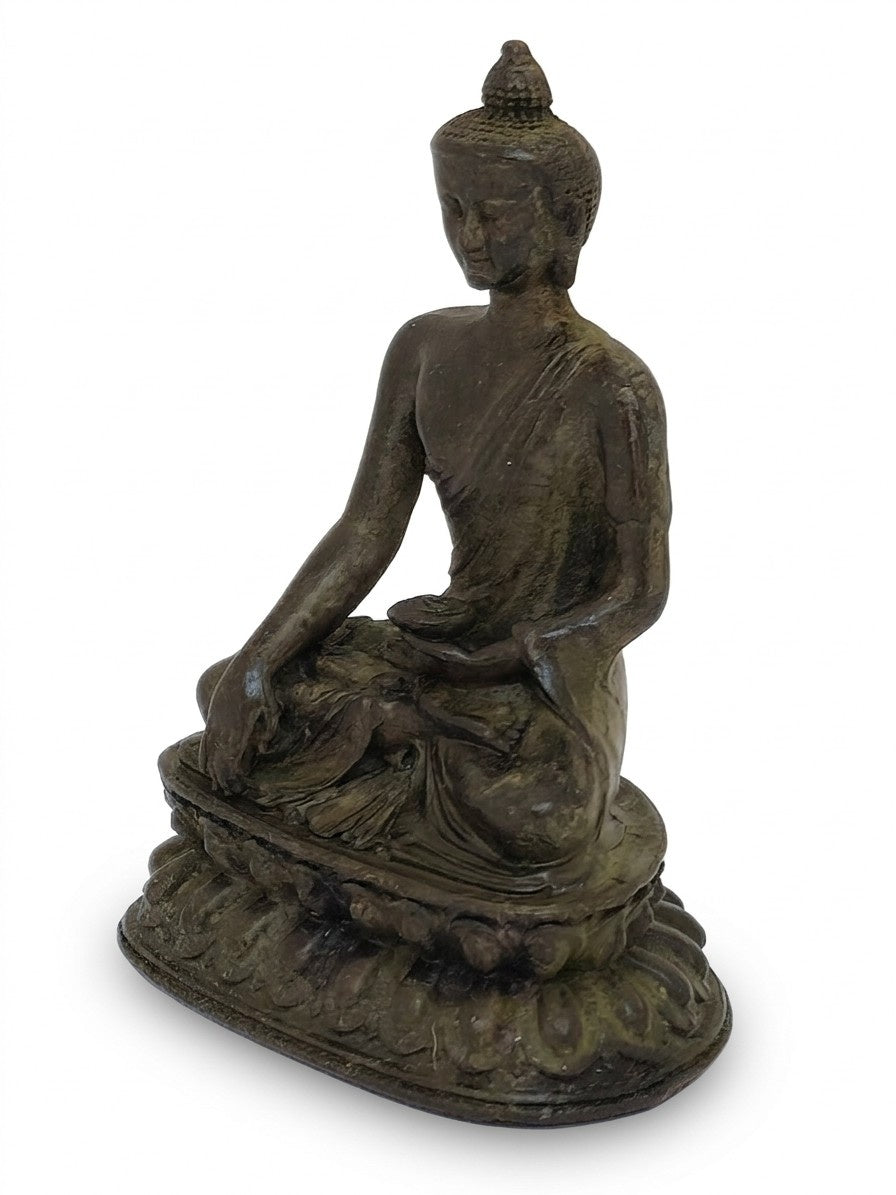


Medicine Buddha Statue Copper Vintage Dark Brown
Sale priceCHF 25.50

Green Tara Statue, Hand-Painted
Sale priceCHF 525.00

White Tara Statue, Hand-Painted
Sale priceCHF 775.00

Medicine Buddha Statue Sangye Menla
Sale priceCHF 525.00

Tibetan Zambala Statue handcrafted Copper Bronze gilded
Sale priceCHF 395.00
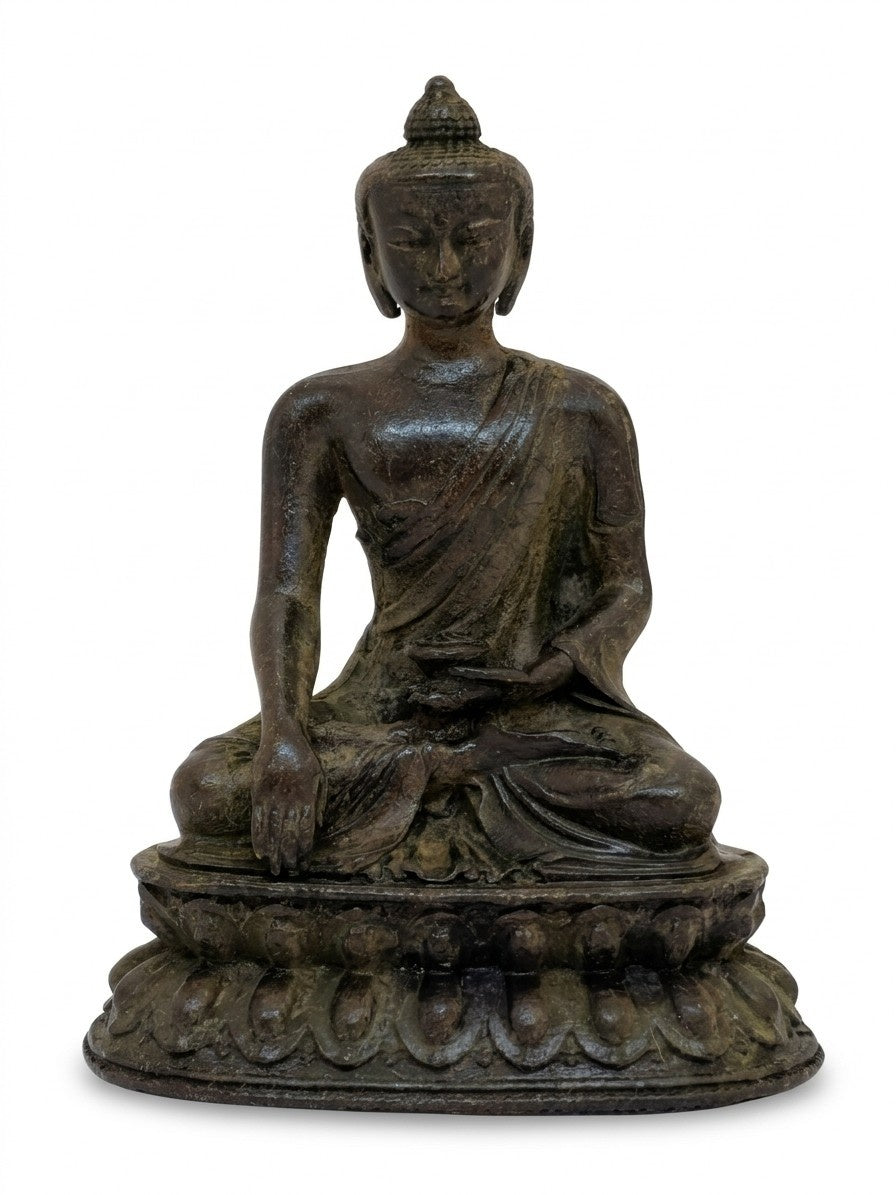
Buddha Shakyamuni Statue Copper Vintage Dark Brown
Sale priceCHF 25.50

Tibetan Medicine Buddha Statue Copper, 5.5 cm
Sale priceCHF 25.50


Tibetan Shinjé Shed Yab-Yum Statue, Yamantaka and Vajravārāhī in Union, 18cm
Sale priceCHF 195.00

Tibetan Buddha Shakyamuni Copper Statue 6.5cm
Sale priceCHF 25.50

Tibetan Guru Rinpoche Statue in Copper, Symbol of Wisdom and Protection, 6.5cm
Sale priceCHF 45.50


Mini Shakyamuni Buddha Statue, Copper Symbol of Wisdom and Enlightenment, 3.5 cm
Sale priceCHF 15.50

Tibetan Green Tara Statue, Copper Figurine of the Goddess of Compassion, 9.5 cm
Sale priceCHF 74.50

Tibetan Tsepakme Statue, Buddha of Long Life in Copper, 6 cm
Sale priceCHF 25.50

Shakyamuni Buddha Stone Statue – A Handcrafted Masterpiece
Sale priceCHF 495.00

Green Tara Statue, Made of Copper, Partially Gold-Plated, 22cm
Sale priceCHF 395.00

Guru Rinpochen Statue, Made of Brass, Partially Gold-Plated, 35cm
Sale priceCHF 895.00

Medicine Buddha Statue, Made of Brass, Partly Gold Plated, 31cm
Sale priceCHF 895.00

Chenrezig Statue, Made of Brass, Gold-Gilded, 23cm
Sale priceCHF 395.00

Chenrezig (Avalokiteshvara) Statue mit Thron
Sale priceCHF 245.00

Medicine Buddha Statue with Throne
Sale priceCHF 245.00

Buddha Statue Made of Brass, Partly Gold Plated, 21cm
Sale priceCHF 395.00

Tibetan Chenrezig Statue, 22.5cm
Sale priceCHF 255.00

Green Tara Statue With Throne
Sale priceCHF 245.00

Statue Guru Rinpochen (Padmasambhava), 21cm
Sale priceCHF 255.00

Buddhist Stupa Of Enlightenment
Sale priceCHF 74.50
Which statues and figures exist in Tibetan Buddhism and what do they stand for?
Related categories