


Tibetan Festivals: A Journey Through Devotion and Tradition
Imagine yourself in the heart of Tibet, where the crisp mountain air carries the sound of prayer chants, the flutter of colorful prayer flags, and the deep resonance of ceremonial drums. Tibetan festivals are more than just celebrations; they are profound spiritual experiences that connect people to their faith, culture, and the cycles of nature. Rooted in Buddhism, these festivals offer a glimpse into a world where spirituality and daily life intertwine seamlessly.
In this article, we will explore some of the most significant Tibetan festivals, their deep spiritual meanings, and how they continue to inspire mindfulness, compassion, and gratitude. If you feel drawn to Tibetan culture, you can also bring a piece of this spiritual heritage into your home through authentic Tibetan products from our webshop.
1. Losar – The Tibetan New Year
Losar, the Tibetan New Year, is one of the most important and widely celebrated festivals in Tibet. Unlike the Western New Year, which is a one-day event, Losar spans 15 days, with the first three days being the most significant. It usually falls between late January and mid-March, depending on the lunar calendar.
Spiritual Significance:
Losar is not just a celebration of a new beginning but also an opportunity to purify negative energies and welcome positivity. Tibetans engage in extensive rituals, including offerings at temples, prayers for prosperity, and the burning of sacred incense to cleanse the environment.
How It’s Celebrated:
Families clean their homes thoroughly, symbolizing the removal of obstacles and negativity from the past year.
Monasteries hold elaborate pujas (prayer ceremonies), where monks chant scriptures and perform masked dances known as Cham dances to ward off evil spirits.
Special foods like Guthuk (a noodle soup with hidden symbolic ingredients) are prepared, offering insight into one’s fortune for the coming year.
Tip: If you want to celebrate Losar at home, consider lighting Tibetan incense, setting up a small altar with a singing bowl, or decorating with prayer flags to invite positive energy into your space. Visit our webshop to find authentic Tibetan items for your spiritual practice.
2. Monlam – The Great Prayer Festival
Monlam Chenmo, or the Great Prayer Festival, is one of the most sacred gatherings in Tibetan Buddhism. Established by Tsongkhapa, the founder of the Gelug school of Buddhism, it takes place during the first lunar month of the Tibetan calendar, usually in February or March.
Spiritual Significance:
Monlam is dedicated to collective prayers for world peace, compassion, and enlightenment. Thousands of monks and devotees come together in sacred chanting sessions, meditation, and prayers for all beings.
How It’s Celebrated:
Thousands of monks gather in major monasteries, reciting prayers and performing elaborate rituals.
Large butter sculptures, known as Torma, are displayed, representing deities and sacred symbols.
People make generous offerings of food, money, and butter lamps, reinforcing the values of generosity and compassion.
Tip: If you wish to bring the essence of Monlam into your home, consider using a Tibetan prayer wheel or mala beads to chant and meditate on compassion and peace. Browse our webshop for these meaningful spiritual tools.
3. Saga Dawa – Honoring Buddha’s Enlightenment
Saga Dawa is considered one of the most spiritually significant months in the Tibetan calendar. It commemorates the birth, enlightenment, and passing of Buddha Shakyamuni, making it a time of intense devotion. This festival is observed on the full moon day of the fourth lunar month, which typically falls in May or June.
Spiritual Significance:
During this month, all good deeds and spiritual activities are believed to be multiplied manifold, encouraging people to practice generosity, kindness, and mindfulness.
How It’s Celebrated:
Pilgrims visit sacred sites, such as Mount Kailash, and perform rituals like circumambulation (walking in circles around sacred objects).
People abstain from consuming meat, reflecting their commitment to ahimsa (non-violence).
Tibetan Buddhists engage in acts of charity, such as feeding the needy or freeing captive animals as a symbol of compassion.
4. Shoton Festival – The Yogurt Festival
Originally a religious retreat for monks, Shoton has transformed into a vibrant cultural and spiritual festival that celebrates Tibetan art, performance, and devotion. This festival usually takes place in August.
Spiritual Significance:
Shoton marks the end of the monks’ summer retreat, during which they engage in deep meditation and refrain from travel to avoid harming small insects during the rainy season. The festival now also includes Tibetan opera performances and the unveiling of giant Thangka paintings.
5. Butter Lamp Festival – Chunga Choepa
Held on the 15th day of the first Tibetan month (February or March), this festival is dedicated to Buddha’s miracles.
How It’s Celebrated:
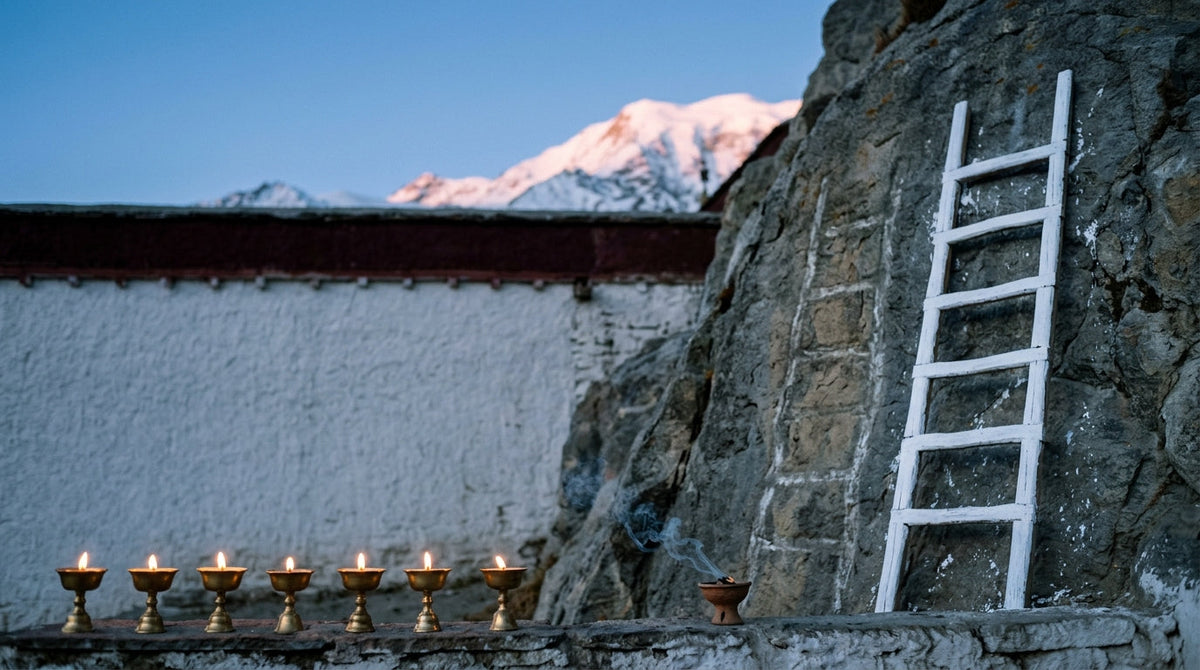
Thousands of butter lamps are lit in monasteries and homes, symbolizing the illumination of wisdom and the triumph of enlightenment over darkness.
Monks chant prayers to commemorate the deeds of Buddha, and devotees offer lamps with wishes for peace and happiness.
In some regions, there are grand processions with elaborate displays of butter sculptures representing Buddhist teachings.
6. Lhabab Duchen – Buddha’s Descent from Heaven
This festival occurs on the 22nd day of the ninth Tibetan month (October or November) and commemorates Buddha’s return from the Heaven of the Thirty-Three (Trayastrimsa), where he spent three months teaching his mother.
How It’s Celebrated:
Devotees engage in acts of merit, such as offering butter lamps, chanting prayers, and performing good deeds.
Pilgrimages are made to sacred sites, and monasteries hold elaborate prayer sessions.
Many Tibetans observe a day of heightened spiritual discipline, practicing meditation and reflecting on the Buddha’s teachings.
7. Ganden Ngamchoe – Tsongkhapa Butter Lamp Festival
Ganden Ngamchoe is celebrated on the 25th day of the 10th Tibetan month (November or December). This festival honors Je Tsongkhapa, the founder of the Gelug school of Tibetan Buddhism.
How It’s Celebrated:
Thousands of butter lamps are lit in monasteries and homes as an offering of wisdom, light, and enlightenment.
Monks and devotees engage in prayer and teachings related to Tsongkhapa’s legacy, emphasizing ethics, wisdom, and meditation.
Many people recite Tsongkhapa’s prayers and practice meditation on his teachings, reaffirming their commitment to spiritual growth.
Conclusion: Embracing the Spirit of Tibetan Festivals
Tibetan festivals are more than mere celebrations—they are spiritual journeys that remind us to cultivate compassion, gratitude, and mindfulness in our daily lives. Each festival carries profound meaning, offering an opportunity to deepen our spiritual connection and embrace the wisdom of Tibetan Buddhism.
If you feel inspired to bring a touch of Tibetan spirituality into your life, explore our webshop for authentic prayer flags, singing bowls, incense, and more—all carefully selected to help you create your own sacred space.
May the essence of these sacred festivals bring peace, harmony, and enlightenment to your journey.


Leave a comment
This site is protected by hCaptcha and the hCaptcha Privacy Policy and Terms of Service apply.