


What to Expect When Visiting a Tibetan Monastery – A Quiet Journey to Inner Depth
Picture this: You stand before the gates of a Tibetan monastery, embraced by the majestic silence of the mountains. The air carries the scent of incense, and whispered mantras accompany your first steps inward. Visiting a Tibetan monastery is far more than a trip or tourist experience—it’s an invitation to immerse yourself in a world where spirituality, compassion, and mindfulness permeate daily life.
For many Swiss people in search of Buddhist wisdom or simply inner peace, this visit can become a profoundly transformative experience. In Tibet, monasteries are not merely places of worship; they are vibrant centers of community, learning, and spiritual practice. They serve as academies for monks, sanctuaries for pilgrims, and guardians of centuries-old traditions. A visit offers the unique chance to experience this rich culture firsthand and gain deeper insight into Tibetan Buddhism.
The Threshold to the Sacred
Upon entering the monastery, you immediately sense something has changed. You’re captivated by the architecture: elaborately painted walls, golden statues, and colorful prayer flags fluttering in the breeze. The air feels denser with meaning, sounds are softer, and colors appear more vivid. The atmosphere is steeped in spirituality, calming even the most hurried visitor. It’s as though the world pauses for a moment.
Before stepping inside, remove your head covering and offer a slight bow. Speak softly and conduct yourself with courtesy. Only photograph if permitted, and never touch religious objects or statues. Always ask before taking photos of monks or sacred items. Dress modestly—covering shoulders and knees is a sign of respect—and avoid flashy or overly casual attire.
Encountering the Monks: Silent Connection
Monks are the heart of the monastery. They dedicate their lives to meditation, scriptural study, and community service. You’ll observe monks in deep meditative states or quietly reciting mantras. Greet them with respect—a simple nod or gentle smile suffices. Avoid interrupting their rituals or initiating conversations.
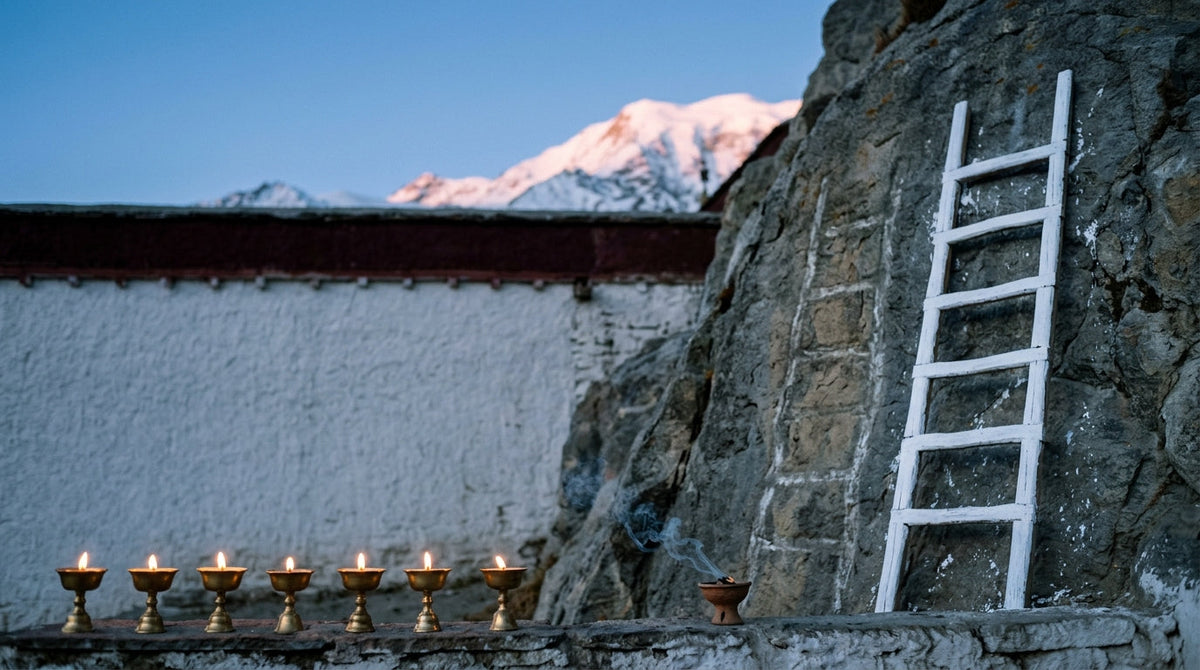
If you have the opportunity to attend a ceremony, sit quietly and observe. Feel the energy: the rhythmic chanting, scent of incense, soft glow of butter lamps. Whether spinning prayer wheels or lighting butter lamps, every gesture holds deep meaning and contributes to the spiritual atmosphere.
Prayer wheels and flags line monastery courtyards. Spinning a prayer wheel or hanging a prayer flag is considered an act of compassion, spreading positive energy. These sacred symbols remind us that even small actions carry significance.
The Khata – A Ribbon of Respect and Connection
When visiting a monastery, it is customary to bring a Khata—a traditional Tibetan ceremonial scarf made from white silk or cotton. Though simple at first glance, the Khata holds deep symbolic weight in Tibetan culture and spirituality.
A Khata represents purity, goodwill, and profound respect. It is offered during greetings, farewells, religious ceremonies, as a blessing to teachers and lamas, or a gesture of goodwill to travelers. In each of these contexts, it marks a visible bond—between individuals, teacher and student, heart and practice.
To present a Khata to a lama or teacher, hold it with both hands, open ends facing the receiver. Bow slightly to show humility and devotion. The lama often receives it and drapes it around your shoulders in blessing—a quiet, meaningful moment.
A Khata is more than fabric—it is heartfelt unity. Offering it with sincerity creates a spiritual bridge between souls.
Our webshop offers carefully selected Khatas in various colors and fabrics—ideal for your next monastery visit, as a meaningful gift, or as a spiritual symbol in your own practice.
The Inner Journey: Reflection and Transformation
Visiting a Tibetan monastery is both a physical and spiritual pilgrimage. It’s a chance to calm your mind, reconnect with yourself, and gain new perspectives.
Take time to meditate, reflect, or simply be. Let the silence, spiritual presence, and human warmth of the monastery touch you.
Farewell and Gratitude: Completing the Circle
As you leave the monastery, you may choose to offer another Khata—expressing gratitude and appreciation. It’s a moment of pause, farewell, and thanks for the insights gained.
You may also wish to take a small souvenir—a prayer bead (mala), incense stick, or holy image. Our webshop offers a range of spiritual items to accompany you on your ongoing journey.
Practical Tips for Your Visit
- Timing: Early mornings tend to be quieter, offering opportunities to join prayers.
- Guided Tours: A local guide can provide deeper insight into symbols and traditions.
- Respect: Treat all people and objects in the monastery with reverence.
- Donations: Small offerings—incense, butter lamps—are appreciated and customary.
Conclusion: A Journey That Touches the Heart
Visiting a Tibetan monastery is a deeply moving experience—a meeting with another culture, spiritual wisdom, and your own soul. It’s a journey that leaves lasting impressions and expands your horizons, offering moments of inner stillness and reflection. For us in Switzerland, a land of mountains and silence, this encounter complements our own culture of mindfulness and respect.
May your path be guided by mindfulness, compassion, and inner peace.
Explore our webshop for authentic Tibetan products that can enrich your spiritual practice—from handcrafted malas to fragrant incense. Bring a piece of Tibetan wisdom into your everyday life.


Leave a comment
This site is protected by hCaptcha and the hCaptcha Privacy Policy and Terms of Service apply.