


The Quiet Power of Meditation: Understanding and Practising Tibetan Meditation
Pausing for a moment, feeling your breath, letting your thoughts settle: this is what meditation is about. In the Tibetan Buddhist tradition, it has been a central part of the spiritual path for centuries. Here in Switzerland, too, many people are drawn to this practice, whether for spiritual reasons or out of a wish for more calm in everyday life. In this article you will learn where Tibetan meditation comes from, what it means and how you can begin yourself.
Where does Tibetan meditation come from?
From the 7th and 8th centuries onwards, Buddhism came to Tibet from India. There it blended with local traditions, and over the centuries the monasteries developed a rich variety of meditation methods. These include practices for gathering the mind, for mindfulness and for insight, as well as visualisations and the recitation of mantras. Meditation is part of a wider path that includes ethics, wisdom and compassion.
What role does meditation play in Tibetan culture?
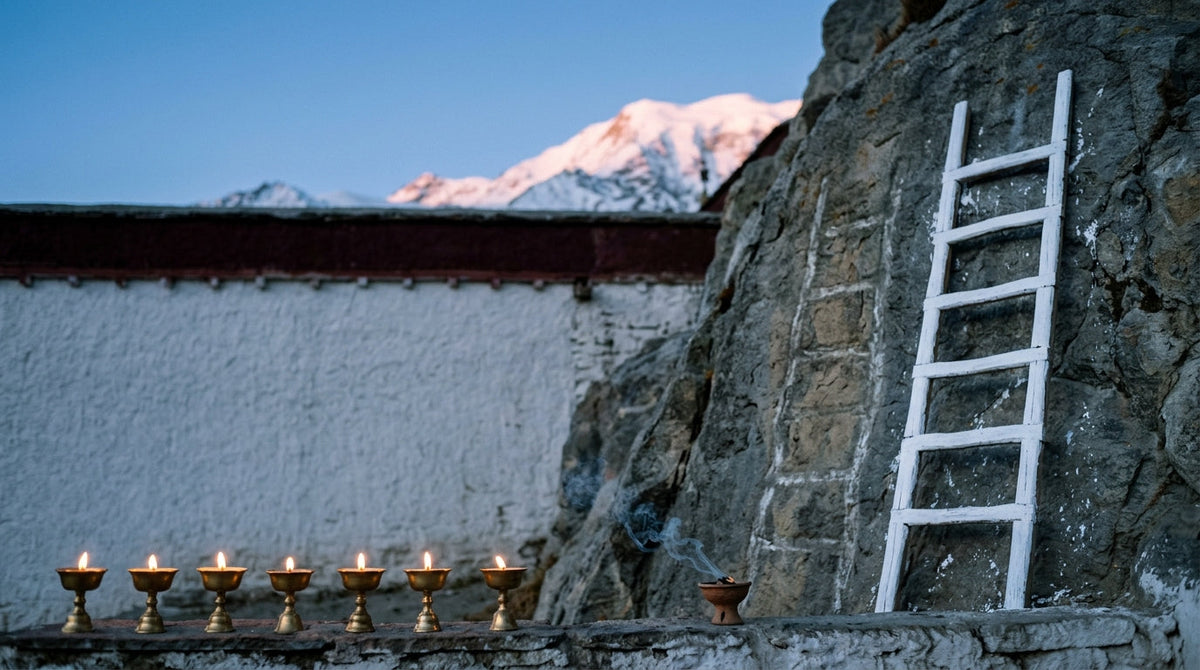
In Tibet, meditation is not only a personal practice but a communal one as well. Monasteries have always been places where meditation is taught and practised together. The practice is closely linked with rituals, prayers and objects such as singing bowls, statues and incense. These shape the space for meditation and help to gather the attention.
What does meditation mean in Tibetan Buddhism?
In Tibetan Buddhism, meditation serves to understand and transform one's own mind. At its centre is bodhicitta, the compassionate wish to attain enlightenment for the benefit of all beings. Meditation is therefore not only a personal path but is directed towards the good of all sentient beings. Mantras play a special role here, such as Om Mani Padme Hum, the mantra of compassion.
What can meditation mean in everyday life?
People who do not follow Buddhism also find a space of calm in meditation. A few minutes without screens or distractions create some distance from the pace of everyday life. Many people experience meditation as a way to perceive more consciously and to look at their thoughts and feelings with more composure. In the Buddhist tradition, compassion and kindness towards others are also practised deliberately.
How do you begin meditating?
Getting started is easier than many people think. These steps will help you:
- Choose a quiet place: Find a spot where you will not be disturbed for a few minutes.
- Sit comfortably: A meditation cushion helps you sit upright and relaxed. A chair works well too.
- Start with short sessions: Five to ten minutes are enough to begin with. Over time you can slowly increase the length.
- Observe your breath: Close your eyes and turn your attention to the breath as it flows in and out.
- Use a mantra or an image: You can repeat a mantra inwardly or picture a peaceful scene to gather your attention.
- Let thoughts pass: When thoughts arise, notice them without judging them and gently return to the breath or the mantra.
- Close consciously: End the session with a moment of gratitude for the time you have taken.
If you would like to bring a singing bowl into your practice, you will find step-by-step instructions in our article Guided Meditation with Singing Bowls.
Which objects accompany meditation?
Traditional Tibetan objects can give your meditation space a calm, personal atmosphere:
- Singing bowls: Their long-resonating tone marks the beginning and end of meditation and serves as an anchor for attention.
- Meditation cushions: A firm cushion supports an upright posture and makes longer sitting more comfortable.
- Meditation shawls: A soft shawl keeps you warm during meditation, especially in the cooler months.
- Tibetan incense: In the Tibetan tradition, incense has accompanied prayer and meditation for centuries. You can read more in our article on Tibetan incense.
- Statues and figures: A Buddha statue in your meditation space is a reminder of your own intention and of the qualities practised in meditation.
Begin your practice
Meditation needs neither special equipment nor prior knowledge, just a little time and the willingness to practise regularly. Even a few minutes a day can be the start of a practice that stays with you for a long time. If you would like to set up your meditation space, you will find singing bowls, cushions, incense and statues in our shop, many of them made by Tibetan artisans in the Himalayas.
We wish you calm and joy on your path.


Leave a comment
This site is protected by hCaptcha and the hCaptcha Privacy Policy and Terms of Service apply.